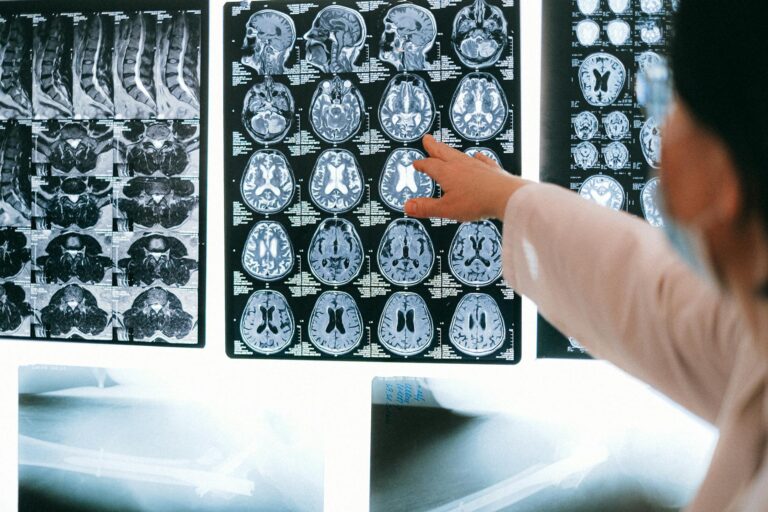
Familiar music can calm agitation in dementia patients because it taps into parts of the brain that often remain relatively intact despite cognitive decline, especially areas linked to long-term memory and emotion. When a person with dementia hears music they know well—songs from their youth, meaningful melodies, or culturally significant tunes—it can evoke memories and feelings that bring comfort, reduce anxiety, and create a sense of connection to their identity and past.
Dementia affects cognitive functions like memory, language, and reasoning, but the brain regions involved in musical memory and emotional processing, such as the limbic system, tend to be less damaged. This means familiar music can still be recognized and emotionally meaningful even when other memories are lost. Hearing these tunes can trigger vivid recollections and positive emotions, which helps reduce feelings of confusion and distress that often cause agitation.
Music also influences the brain’s neurochemistry by lowering stress hormones and increasing dopamine and endorphins, which promote relaxation and well-being. This biochemical effect helps soothe the nervous system, making agitation less likely. Moreover, music provides a predictable and structured sensory experience that can ground a person with dementia, offering a calming routine amid cognitive chaos.
Engaging with familiar music—whether by listening, singing, or gentle movement—can also improve communication and social interaction. Even when verbal skills decline, patients may hum along, tap rhythms, or respond emotionally, which fosters connection with caregivers and loved ones. This interaction can alleviate feelings of isolation and frustration that contribute to agitation.
Personalized music therapy, where songs are carefully chosen based on an individual’s history and preferences, has been shown to be particularly effective. It respects the person’s unique identity and life story, making the experience more meaningful and impactful. Such tailored interventions can reduce behavioral symptoms like restlessness, aggression, and anxiety without the side effects associated with medications.
In practical terms, familiar music can transform difficult moments—like mealtimes, bathing, or transitions—into more peaceful experiences. Caregivers singing or playing a patient’s favorite songs can ease resistance and create a more positive atmosphere. This approach not only benefits the patient but also reduces caregiver stress.
Overall, familiar music acts as a bridge to preserved memories and emotions, providing comfort, reducing agitation, and enhancing quality of life for people living with dementia. It leverages the brain’s enduring connection to music to soothe, engage, and support individuals facing cognitive challenges.