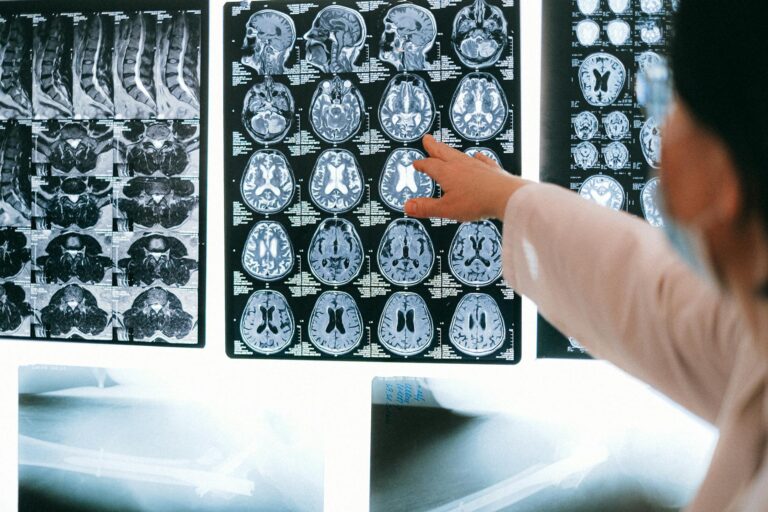
Emotions become unpredictable in brain aging primarily because the brain undergoes complex biological, chemical, and structural changes that disrupt how emotional signals are processed and regulated. As the brain ages, several key factors contribute to this unpredictability, including cognitive decline, changes in brain chemistry, damage to brain cells, and the impact of life circumstances and stress.
One major reason is the deterioration of brain cells and their communication networks. Aging brains often experience damage to neurons and the connections between them, which impairs how different brain regions involved in emotion regulation interact. For example, areas like the prefrontal cortex, which helps control impulses and manage emotional responses, may lose efficiency. At the same time, the limbic system, which governs raw emotional reactions, can become more reactive or less well-regulated. This imbalance can cause emotions to swing more wildly or appear disconnected from the situation.
Chemical changes in the brain also play a crucial role. Neurotransmitters such as dopamine, serotonin, and norepinephrine, which influence mood and emotional stability, tend to decline with age. Dopamine loss, in particular, is linked to reduced motivation and increased emotional volatility. Additionally, oxidative stress—damage caused by free radicals—accumulates in brain cells over time, impairing their function and contributing to neurodegenerative processes. This oxidative damage affects proteins and DNA within neurons, further disrupting the delicate balance needed for stable emotional processing.
Cognitive decline, including conditions like dementia and Alzheimer’s disease, can drastically alter emotional responses. As memory and reasoning abilities fade, individuals may lose the ability to interpret social cues or regulate their feelings appropriately. This can lead to sudden mood swings, irritability, anxiety, or withdrawal. The brain’s reduced capacity to filter and control emotional reactions means that even minor triggers might provoke exaggerated responses. Moreover, the loss of inhibition caused by brain cell damage can result in behaviors and emotions that seem out of character or unpredictable.
Beyond biological factors, emotional unpredictability in aging is also influenced by life changes and psychological stress. Older adults often face significant transitions such as loss of loved ones, reduced independence, health challenges, or relocation. These events can cause grief, anxiety, and depression, which further destabilize emotional regulation. Stress hormones like cortisol can affect brain regions responsible for mood control, compounding the difficulty in managing emotions. The combination of internal brain changes and external life pressures creates a complex environment where emotions may fluctuate unpredictably.
Another important aspect is the disruption of proteostasis—the process by which cells maintain healthy proteins. Aging brains show increased protein aggregation and dysfunction, which interfere with normal cell operations. This molecular-level disturbance contributes to the decline in cognitive and emotional functions. When proteins that regulate cell signaling and repair malfunction, neurons cannot maintain their usual roles in emotion processing, leading to erratic emotional behavior.
Lifestyle factors also influence emotional stability in aging. Sedentary habits, poor nutrition, excessive stress, and social isolation can accelerate brain aging and worsen emotional control. Conversely, physical activity, mental engagement, social connections, and stress management techniques can help maintain healthier brain function and more predictable emotional responses.
In summary, emotions become unpredictable in brain aging due to a combination of neuronal damage, chemical imbalances, cognitive decline, molecular dysfunction, and life stressors. The aging brain’s reduced ability to regulate emotions, combined with external challenges, results in mood swings, irritability, and emotional responses that may seem sudden or disproportionate. Understanding these underlying mechanisms helps explain why emotional unpredictability is a common feature of aging and highlights the importance of supportive care and healthy lifestyle choices to mitigate its impact.