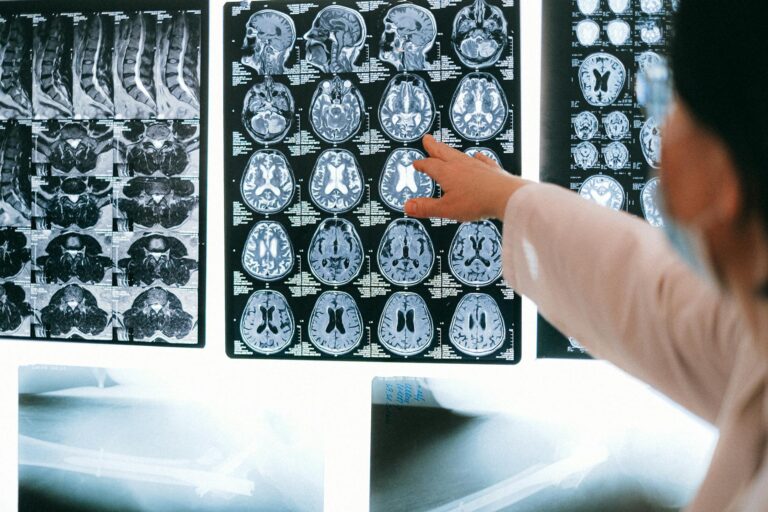
Dreams often become more interactive and vivid as the brain ages due to several changes in brain structure, function, and chemistry that influence how we experience and process dreams. This increased interactivity in dreams during aging is linked to alterations in brain regions involved in memory, emotion, and sensory integration, as well as shifts in sleep architecture and neurotransmitter activity.
As people age, the brain undergoes natural changes such as reduced volume in the prefrontal cortex and hippocampus, areas critical for memory formation and executive function. These changes can affect how memories are accessed and integrated during dreaming. Older adults may experience dreams that feel more interactive because their brains rely more heavily on emotional and sensory memories rather than logical or narrative coherence. This can lead to dreams that are more immersive, emotionally charged, and sometimes bizarre or fragmented, making the dream experience feel more vivid and participatory.
Sleep patterns also shift with age. Older adults tend to have lighter and more fragmented sleep, with changes in the proportion of rapid eye movement (REM) sleep—the stage most closely associated with vivid dreaming. Although total REM sleep may decrease, the quality and intensity of REM episodes can become more pronounced, potentially enhancing the sensory and emotional aspects of dreams. This can make dreams feel more lifelike and interactive, as the brain’s sensory and emotional centers are more active during these REM phases.
Neurochemical changes play a significant role as well. Aging affects levels of neurotransmitters such as acetylcholine, dopamine, and serotonin, which modulate brain activity during sleep and dreaming. For example, acetylcholine levels, which are important for REM sleep and dream vividness, tend to decline with age but may fluctuate in ways that intensify certain dream experiences. Dopamine changes can influence the emotional tone and motivational content of dreams, making them feel more engaging or interactive.
Another factor is the brain’s changing ability to regulate and filter sensory information during sleep. In younger brains, there is often a stronger gating mechanism that limits external sensory input and internal noise during dreaming. With aging, this gating may weaken, allowing more sensory fragments and memories to blend into dreams, creating a richer and more interactive dream environment.
Additionally, the emotional centers of the brain, such as the amygdala, remain relatively active during REM sleep even in older adults. This sustained emotional processing can make dreams more vivid and personally meaningful, contributing to a sense of interaction within the dream narrative.
Cognitive changes in aging also influence dream content and interactivity. Older adults often have a greater tendency to reflect on their life experiences and emotions, which can be incorporated into dreams. This introspective quality can make dreams feel like active mental simulations where the dreamer engages with past memories, unresolved feelings, or imagined scenarios in a dynamic way.
In summary, the increased interactivity of dreams during brain aging arises from a complex interplay of structural brain changes, altered sleep architecture, neurochemical shifts, and evolving cognitive-emotional processing. These factors combine to create dream experiences that are often more vivid, emotionally intense, and immersive, making the dream world feel more interactive and engaging for older individuals.