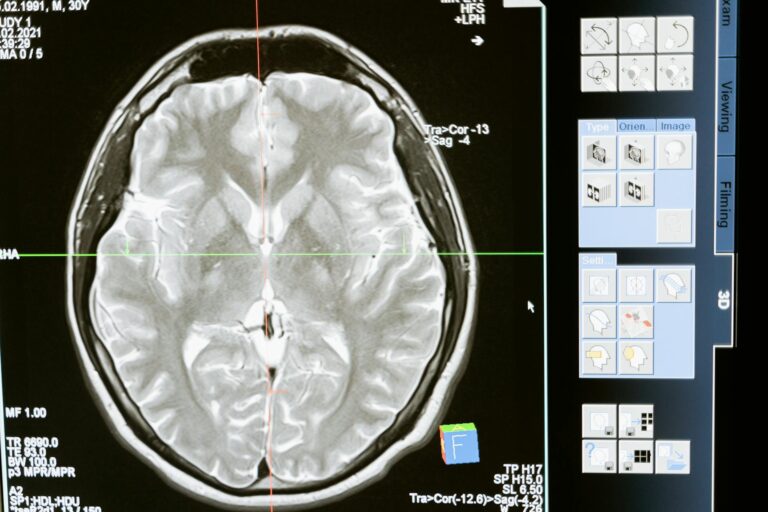
Radiation risks vary depending on age and gender because the biological effects of radiation interact differently with the body’s cells, tissues, and overall physiology at different life stages and between sexes. These differences influence how susceptible an individual is to radiation-induced damage, including cancer risk.
**Age plays a critical role in radiation risk** primarily because younger people have more actively dividing cells and a longer remaining lifespan during which radiation-induced damage can manifest as disease. For example, children and young adults are more vulnerable to the harmful effects of ionizing radiation than older adults. This is partly due to their cells dividing more rapidly, which increases the chance that DNA damage caused by radiation will be passed on during cell replication. Additionally, since cancers caused by radiation often take years or decades to develop, younger individuals have a longer time window for these cancers to appear compared with seniors who may not live long enough for such effects to fully emerge.
In contrast, older adults tend to have lower risks from similar doses of radiation because their cells divide less frequently and they have fewer years ahead for potential cancer development. However, this does not mean that older people are immune; cumulative lifetime exposure still matters. But statistically speaking, studies show that a 31-year-old patient might face roughly twice the carcinogenic risk from certain imaging exams compared with someone aged 74[1]. The difference in tissue sensitivity combined with life expectancy explains much of this variation.
**Gender differences also influence how risky radiation exposure can be**, mainly due to biological distinctions between males and females at cellular and hormonal levels. Women generally exhibit higher susceptibility than men when exposed to comparable doses of ionizing radiation—research estimates about 20% higher carcinogenic risk for women undergoing medical imaging like CT scans[1]. Several factors contribute:
– Hormonal influences: Female hormones such as estrogen can affect cell growth rates in certain tissues (like breast tissue), potentially making them more sensitive targets for mutagenic changes induced by radiation.
– Tissue composition: Women typically have different proportions of radiosensitive organs (e.g., breasts) compared with men.
– Genetic factors: There may be sex-linked genetic variations affecting DNA repair mechanisms or immune responses after cellular injury.
Because women tend also to live longer on average than men globally, they similarly possess a longer timeframe over which latent cancers could develop following exposure.
Beyond these fundamental biological reasons related directly to age and gender biology:
– **Life expectancy impacts perceived risk:** Since many cancers induced by low-dose exposures require several years before becoming clinically apparent (often two decades or more), younger individuals’ greater expected lifespan means increased cumulative lifetime risk.
– **Physical condition affects treatment tolerance:** Older patients or those in poorer health may experience different outcomes when exposed therapeutically or accidentally due to diminished repair capacity or comorbidities influencing recovery from cellular damage[2][4].
In medical practice where diagnostic imaging involves ionizing radiations like X-rays or CT scans:
– Physicians weigh these age/gender-related risks carefully against clinical benefits before ordering tests.
– Efforts are made especially with children and young women—to minimize dose while maintaining image quality through optimized protocols.
Overall understanding why risks vary helps tailor safer use of radiological procedures across populations while informing public health policies about occupational exposures or environmental safety standards.
The interplay between biology (cell division rate; hormone environment), demographics (age; gender distribution), genetics (DNA repair efficiency), physiology (organ sensitivity; hormonal milieu), plus external factors like lifestyle all combine uniquely per individual group leading to variable susceptibility toward harmful consequences from similar amounts of ionizing radiation exposure.