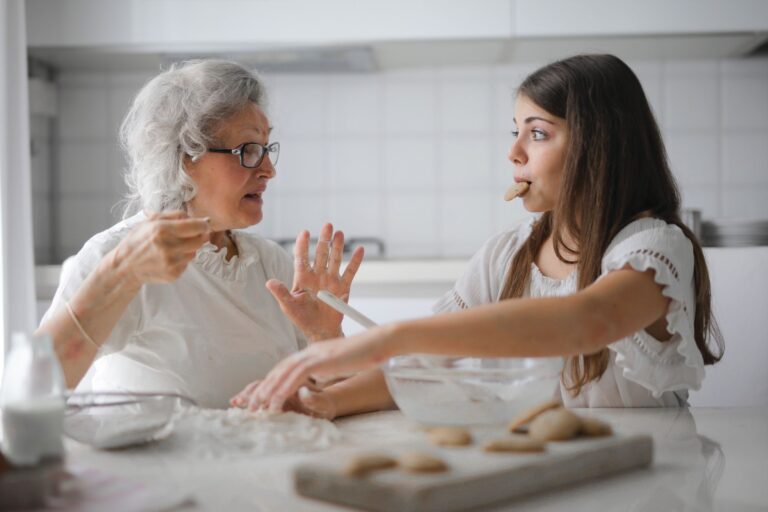
Why do people with dementia forget how to cook or follow recipes? The answer lies in the way dementia affects the brain, disrupting memory, reasoning, and other cognitive abilities essential for cooking. Cooking is a complex activity that requires multitasking, problem-solving, and recalling steps—all of which become increasingly difficult as dementia progresses.
### How Dementia Impacts Cooking Skills
1. **Memory Loss**: One of the earliest signs of dementia is short-term memory loss. This can make it hard for someone to remember what ingredients they need or what step comes next in a recipe—even if it’s something they’ve cooked many times before[1][8]. For example, they might forget to preheat the oven or add a key ingredient like salt.
2. **Difficulty Following Steps**: Recipes often require following multiple steps in sequence. Dementia can impair executive function—the ability to plan and organize—which makes it challenging to keep track of these steps[5][10]. A person might skip crucial parts of a recipe or repeat actions unnecessarily.
3. **Confusion with Familiar Tasks**: As cognitive decline worsens, even routine tasks like boiling water or measuring ingredients can become confusing[1][10]. Someone might mix up sugar and salt or forget how long food needs to cook.
4. **Loss of Motor Skills**: In later stages of dementia, motor skills may deteriorate alongside cognitive abilities[10]. This makes tasks like chopping vegetables or stirring pots physically difficult.
5. **Sensory Changes**: Dementia can also affect senses such as smell and taste[1][4]. Someone may not notice when food is burning because they can’t smell it—or lose interest in cooking altogether because flavors no longer seem appealing.
6. **Emotional Impact**: Frustration from struggling with once-familiar activities can lead people with dementia to avoid cooking entirely[8].
### Why Does This Happen?
Dementia damages specific areas of the brain responsible for memory (like the hippocampus), problem-solving (frontal lobe), and sensory processing (parietal lobe)[7][8]. These changes disrupt neural pathways that previously allowed someone to perform complex tasks like cooking seamlessly.
### Can Anything Help?
While some skills are inevitably lost over time due to progressive brain damage, there are ways caregivers can support individuals:
– Simplify recipes by reducing steps.
– Use visual aids like pictures for each step.
– Encourage participation in small tasks such as stirring or peeling.
– Create routines around meal preparation so actions feel familiar.
– Focus on sensory experiences—smelling spices or tasting simple dishes—to evoke positive memories tied to food[4].
Cooking becomes more than just preparing meals; it’s an opportunity for connection and engagement despite cognitive challenges. However, safety should always be prioritized—supervision is essential when using sharp tools or heat sources as judgment declines over time[1][5].
In summary, forgetting how to cook isn’t just about losing knowledge—it reflects deeper disruptions caused by dementia’s impact on memory circuits and decision-making processes within the brain.