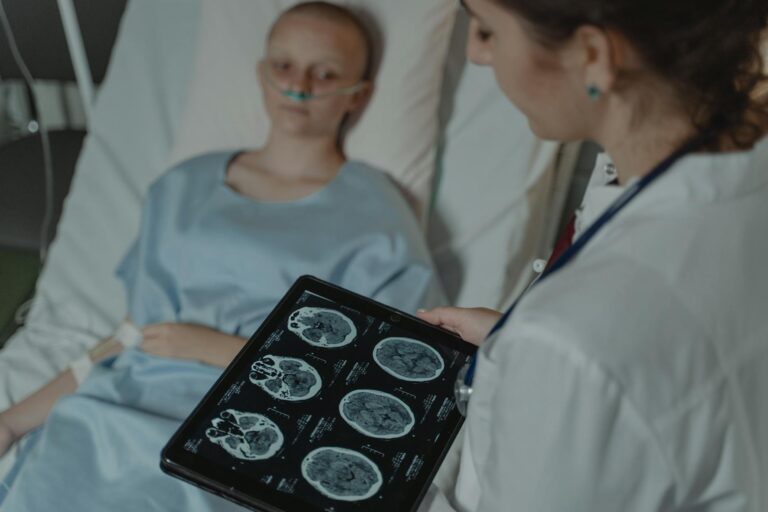
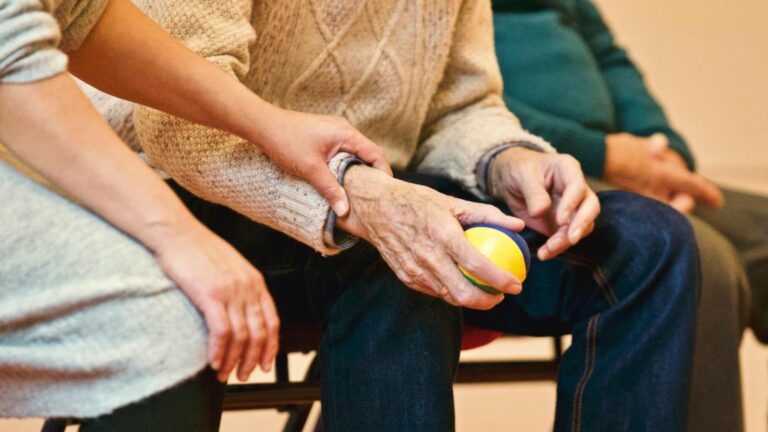
Parkinson’s patients sometimes lose their ability to smile because the disease affects the brain areas and muscles responsible for facial movement, leading to a condition often called “masked face” or hypomimia. This happens primarily due to the loss of dopamine-producing neurons in a part of the brain called the substantia nigra. Dopamine is a crucial neurotransmitter that helps regulate smooth, coordinated muscle movements, including those of the face. When dopamine levels drop, the muscles become rigid and movements slow down, making it difficult for patients to express emotions through facial expressions like smiling.
In Parkinson’s disease, the brain’s basal ganglia, which controls movement patterns, receives fewer dopamine signals. This disruption causes the muscles to stiffen and reduces spontaneous movements. Since smiling is a complex action involving multiple facial muscles working in coordination, the rigidity and slowness caused by dopamine deficiency impair this ability. Patients may still feel happy or want to smile, but their facial muscles do not respond as easily or fully, resulting in a face that appears expressionless or “masked.”
This loss of facial expressiveness is not just about the muscles themselves but also about the brain’s impaired ability to initiate and control these movements. The condition is similar to other motor symptoms of Parkinson’s, such as tremors, stiffness, and bradykinesia (slowness of movement). Just as patients find it harder to start walking or button a shirt, they also struggle to start and maintain facial movements like smiling.
Additionally, muscle rigidity in the face can make it physically uncomfortable or tiring to hold a smile. The reduced blinking and diminished spontaneous facial movements contribute to a fixed, blank look. This can affect social interactions because others may misinterpret the patient’s emotional state, thinking they are sad or uninterested when they are not.
The inability to smile is part of a broader set of motor symptoms that affect voluntary and involuntary movements. Parkinson’s patients often experience a shuffling gait, soft or slurred speech, and difficulty swallowing, all linked to the same underlying neurological changes. The facial muscles are just one of many muscle groups affected by the disease’s progression.
In summary, Parkinson’s disease causes a loss of the ability to smile because the brain’s dopamine-producing cells deteriorate, leading to muscle rigidity and slowed facial movements. This results in a “masked face,” where patients have reduced facial expression despite their emotional feelings remaining intact. The condition reflects the broader motor control challenges that define Parkinson’s disease.