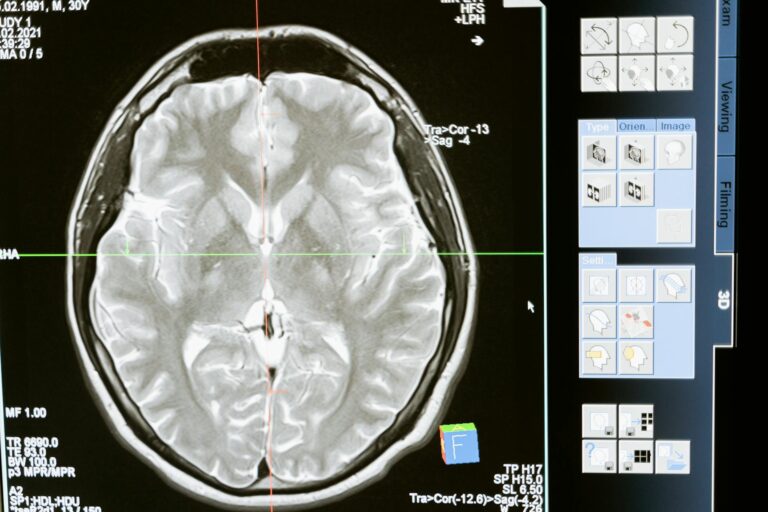
People with Parkinson’s disease sometimes feel weak after meals due to a combination of factors related to the disease’s impact on the body’s muscles, digestion, blood sugar regulation, medication effects, and overall energy metabolism.
Parkinson’s disease primarily affects the nervous system, leading to symptoms like muscle weakness and reduced movement (hypokinesia). After eating, the body directs a significant amount of blood flow to the digestive system to help process food. In Parkinson’s patients, this redirection can exacerbate muscle weakness because less blood and oxygen are available to the muscles, making them feel tired or weak. This is especially noticeable if the muscles are already compromised by the disease.
Another important factor is the digestive system’s altered function in Parkinson’s. The disease can cause autonomic nervous system dysfunction, which impairs the normal movement of the digestive tract. This can lead to slower digestion, constipation, and poor absorption of nutrients. When nutrients are not absorbed efficiently, the body may not get enough energy from food, contributing to feelings of weakness after meals.
Blood sugar fluctuations also play a role. After eating, blood glucose levels rise as carbohydrates are broken down. Normally, insulin helps cells absorb glucose for energy. However, Parkinson’s patients may experience irregular blood sugar control, either due to the disease itself or as a side effect of medications. If blood sugar spikes too high or drops too low after meals, it can cause fatigue, weakness, and lethargy.
Medications used to treat Parkinson’s, such as levodopa and bromocriptine, can also influence post-meal weakness. These drugs affect dopamine levels and can sometimes cause side effects like low blood sugar (hypoglycemia), nausea, or general fatigue. If a patient experiences low blood sugar after eating, symptoms can include shakiness, confusion, and weakness, which might explain why some feel weak after meals.
Additionally, dehydration is common in Parkinson’s patients due to reduced fluid intake or impaired thirst sensation. Dehydration can cause fatigue and muscle weakness, which may become more pronounced after eating when the body requires more fluid for digestion.
Nutritional challenges are also significant. Parkinson’s patients often have difficulty with grip and dexterity, making eating and food preparation harder, which can lead to inadequate nutrition. Weight loss and malnutrition are common, and insufficient intake of calories and nutrients can cause overall weakness, especially noticeable after meals when the body’s energy demands increase.
In summary, the feeling of weakness after meals in Parkinson’s patients arises from a complex interplay of muscle weakness inherent to the disease, impaired digestion and nutrient absorption, blood sugar irregularities, medication side effects, dehydration, and nutritional deficiencies. Each of these factors can reduce the energy available to the body after eating, leading to that common experience of post-meal weakness.