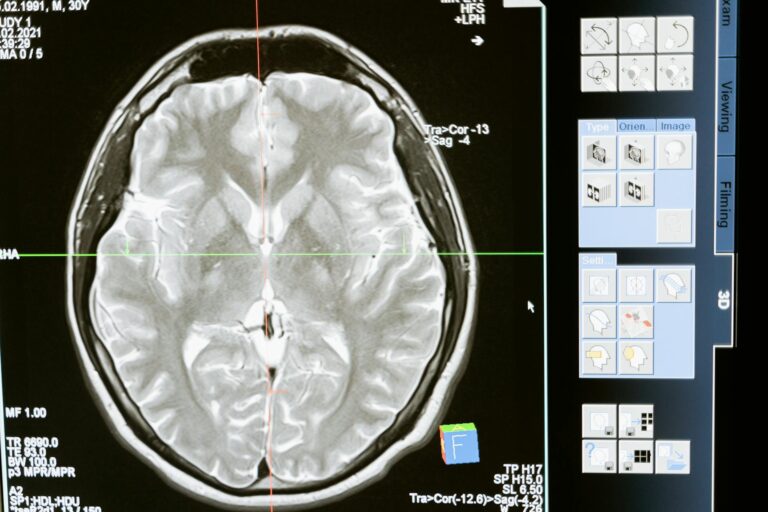
Parkinson’s patients sometimes feel detached from reality due to a complex interplay of neurological changes, medication effects, and psychological factors that affect how their brain processes perception, emotion, and cognition. This detachment can manifest as psychosis-like symptoms, including hallucinations, delusions, and a distorted sense of self and surroundings.
Parkinson’s disease primarily involves the gradual loss of dopamine-producing neurons in a brain area called the substantia nigra, which is crucial for controlling movement. However, dopamine is also deeply involved in regulating mood, cognition, and perception. As these neurons deteriorate, the brain’s chemical balance shifts, not only causing motor symptoms like tremors and stiffness but also affecting mental functions. This disruption can lead to changes in how patients experience reality, sometimes causing them to feel disconnected or detached from what is actually happening around them.
One major reason for this detachment is **psychosis**, a condition where a person loses touch with reality. In Parkinson’s, psychosis often presents as hallucinations (seeing or hearing things that aren’t there) and delusions (strongly held false beliefs). These symptoms arise because the brain’s normal filtering and interpretation of sensory information become impaired. The damaged dopamine system, combined with other neurotransmitter imbalances, can cause the brain to misinterpret signals, leading to false perceptions and beliefs.
Medications used to treat Parkinson’s, especially those that increase dopamine levels to improve movement, can sometimes trigger or worsen these psychotic symptoms. While these drugs help with motor control, they may overstimulate certain brain pathways involved in perception and thought, pushing some patients into a state where distinguishing real from unreal becomes difficult. This side effect is a delicate balance doctors must manage, adjusting treatments to minimize psychosis while controlling motor symptoms.
Beyond the chemical and medication factors, Parkinson’s disease can also affect brain regions responsible for emotional processing and self-awareness. Many patients experience **alexithymia**, a difficulty in identifying and describing their own emotions, which can contribute to a feeling of emotional numbness or detachment. When someone cannot connect with their feelings or express them, it can create a sense of being cut off from oneself and others, deepening the experience of unreality.
Sleep disturbances common in Parkinson’s, such as vivid dreams or REM sleep behavior disorder, may also blur the boundaries between dreaming and waking states. This can cause confusion and a sense of detachment during the day, as the brain struggles to integrate these altered states of consciousness.
Psychological stress and depression, which frequently accompany Parkinson’s, further complicate the picture. Chronic stress can heighten feelings of unreality or dissociation, where the mind distances itself from distressing experiences as a coping mechanism. Depression can dull emotional responses and impair cognitive clarity, reinforcing the sensation of being detached from the world.
In some cases, the detachment from reality in Parkinson’s patients may resemble symptoms seen in other neurological or psychiatric conditions, such as dementia or PTSD-related psychosis. The overlap in symptoms reflects how brain dysfunction in Parkinson’s extends beyond motor control to affect multiple domains of mental health.
Overall, the feeling of detachment in Parkinson’s patients is not a single cause but a multifaceted phenomenon arising from brain degeneration, medication effects, emotional processing difficulties, sleep disturbances, and psychological stress. Each of these factors disrupts the brain’s normal integration of sensory input, emotional experience, and cognitive interpretation, leading to moments or periods where patients feel disconnected from reality, themselves, and their surroundings. Understanding this complexity is essential for providing compassionate care that addresses both the physical and mental challenges of Parkinson’s disease.