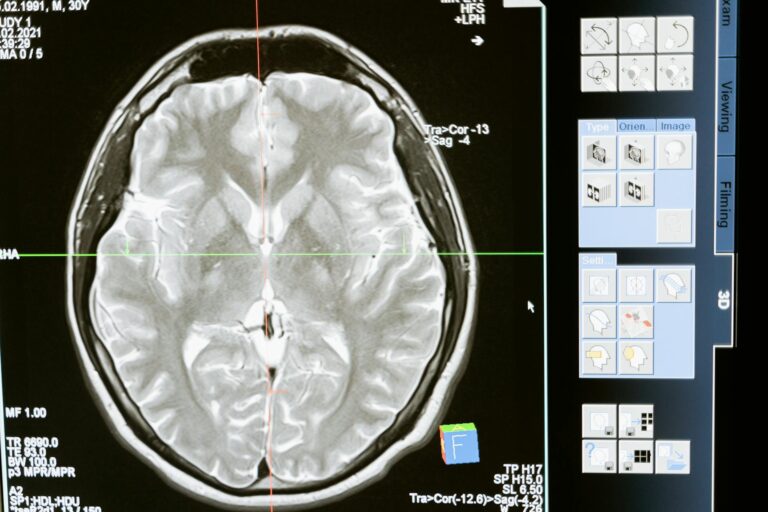
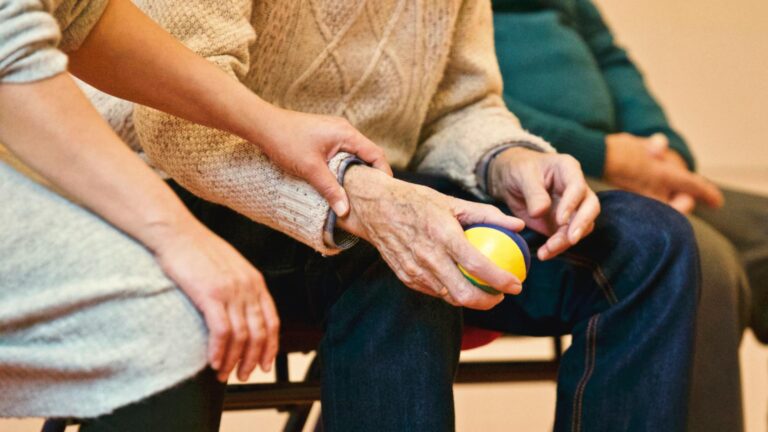
Parkinson’s patients often walk with shorter steps primarily because of the disease’s impact on the brain areas responsible for movement control, especially those that regulate muscle coordination, balance, and initiation of movement. Parkinson’s disease causes a loss of dopamine-producing nerve cells in a region called the substantia nigra. Dopamine is crucial for smooth and coordinated muscle activity. When dopamine levels drop significantly, it leads to motor symptoms such as slowness of movement (bradykinesia), muscle stiffness (rigidity), and impaired balance—all factors that contribute to shorter step length during walking.
One key reason for shorter steps is bradykinesia, which means movements become slower and smaller than normal. This affects not only voluntary actions like walking but also automatic movements such as swinging arms while stepping forward. Because initiating large or forceful movements becomes difficult, patients tend to take smaller steps as their muscles do not respond quickly or strongly enough to produce normal stride lengths.
Muscle rigidity also plays an important role by making leg muscles stiff and less flexible. This stiffness restricts joint motion at the hips, knees, and ankles needed for longer strides. The combination of rigidity with slowed movement makes it physically challenging to lift feet high or push off strongly from one step to another.
Balance problems further influence gait patterns in Parkinson’s patients. As their ability to maintain stability decreases due to impaired coordination between sensory input and motor output systems in the brain, they subconsciously shorten their steps to reduce risk of falling. Shorter strides lower the center of gravity shifts during walking and provide more frequent ground contact points—both strategies help improve stability but at the cost of natural gait rhythm.
Another factor is what clinicians call “freezing” episodes where a patient temporarily feels stuck or unable to move forward smoothly; this can cause hesitation mid-step leading them again toward taking cautious short steps rather than confident long ones.
Additionally, Parkinson’s affects posture—patients often develop a stooped stance with bent knees and hips flexed forward slightly—which mechanically limits how far legs can extend during each step cycle.
The reduced arm swing seen in many Parkinson’s walkers also contributes indirectly: normally arm swing helps counterbalance leg movements allowing longer strides; when arm swing diminishes due to bradykinesia or rigidity on one side more than another (asymmetry common early on), stride length reduces accordingly.
In summary:
– Loss of dopamine causes **bradykinesia**, slowing down all voluntary motions including stepping.
– **Muscle rigidity** stiffens leg joints limiting range needed for full stride.
– Impaired **balance** encourages cautious gait with shortened steps.
– Postural changes restrict hip/knee extension reducing step length.
– Reduced arm swing disrupts natural gait mechanics supporting longer strides.
– Freezing episodes cause hesitation reinforcing short stepping patterns.
All these factors combine so that walking becomes slower with noticeably shorter steps compared even against healthy aging individuals without neurological impairment. The body adapts by minimizing effort while trying not to lose balance—a protective yet disabling change characteristic in Parkinsonian gait patterns seen throughout disease progression.