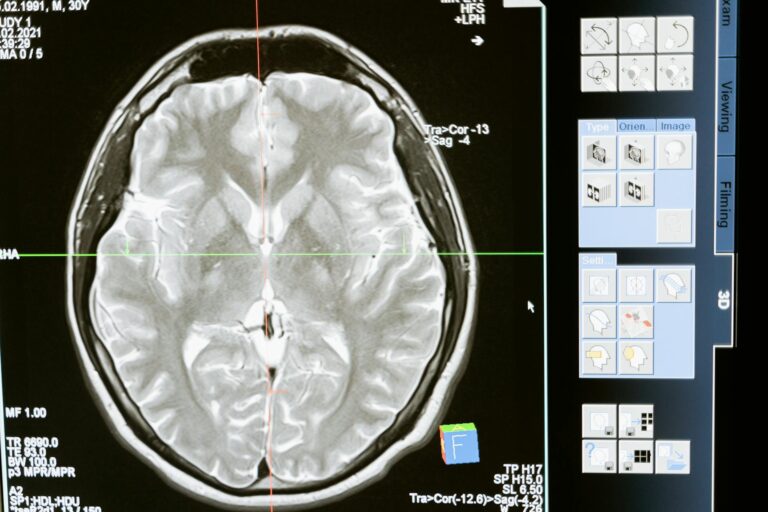
Parkinson’s disease is a complex neurological condition that affects movement, balance, and coordination. Because of the way it disrupts brain function and muscle control, people with Parkinson’s often face challenges in performing everyday activities smoothly and safely. This is why having **daily routines becomes crucial for their stability**—both physically and mentally.
At its core, Parkinson’s causes the loss of dopamine-producing cells in the brain. Dopamine is a chemical messenger essential for controlling smooth, coordinated muscle movements. When dopamine levels drop, patients experience symptoms like tremors (shaking), stiffness, slowness of movement (bradykinesia), and problems with balance. These symptoms can make even simple tasks unpredictable or difficult to perform consistently.
Daily routines help by providing **structure and predictability**, which are vital when motor control is compromised. When patients follow consistent schedules for activities such as waking up, eating meals, exercising, medication intake, and bedtime rituals:
– Their brains can better anticipate what comes next.
– Muscle memory gets reinforced through repetition.
– The risk of sudden freezing episodes or falls decreases because movements become more automatic rather than reactive.
This consistency reduces anxiety around movement difficulties since patients know what to expect from their bodies at different times of day.
Exercise plays an especially important role within these routines because it helps maintain mobility and balance over time. Activities like cycling or walking done regularly encourage the brain to form new neural pathways that compensate for damaged ones—a process called neuroplasticity. Although improvements may not be immediate after starting exercise programs, sticking with them long-term leads to better motor function stability[1]. Exercise also strengthens muscles needed for posture control and gait stability while improving cardiovascular health[1][2].
Physical therapy often focuses on tailored exercises that improve strength, flexibility, coordination, gait patterns (how one walks), and balance—all critical areas affected by Parkinson’s symptoms[2]. Incorporating these exercises into daily life ensures ongoing reinforcement so patients remain steady on their feet longer.
Beyond physical benefits:
– Routines help manage cognitive challenges common in Parkinson’s by reducing mental fatigue caused by unpredictability.
– They support emotional well-being since predictable days lower stress levels linked to symptom fluctuations.
– Social aspects tied to routine activities—like group exercise classes—can reduce feelings of isolation many patients experience[1][4].
In hospital settings where immobility risks worsen outcomes for Parkinson’s patients due to rapid muscle loss or increased complications from inactivity[3], maintaining some form of daily movement routine—even assisted—is shown to preserve strength and alertness.
Overall then:
Daily routines act as anchors amidst the variability caused by Parkinson’s disease symptoms. They create a framework where both body and mind can operate more efficiently despite neurological impairments. By embedding medication schedules alongside physical activity sessions designed specifically for their needs—and repeating these consistently—patients gain greater independence through improved stability in everyday life.
This approach isn’t just about managing symptoms moment-to-moment but about fostering long-term resilience against progressive decline through steady practice supported by medical care teams specialized in movement disorders[2][4].