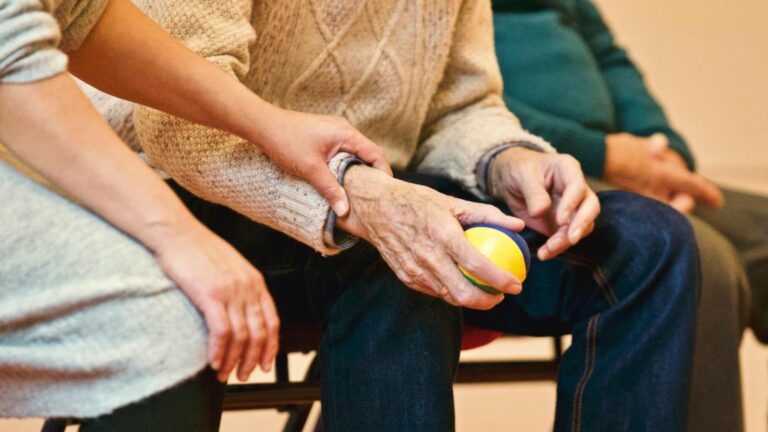
Parkinson’s patients often feel anxious in public spaces due to a complex interplay of neurological, psychological, and social factors linked to the disease. Parkinson’s disease (PD) is primarily known for its motor symptoms—tremors, stiffness, and slowed movement—but it also profoundly affects the brain areas responsible for emotional regulation, which can lead to heightened anxiety, especially in social or public settings.
One key reason for this anxiety lies in the brain changes caused by Parkinson’s. Research shows that anxiety in PD is associated with thinning in specific brain regions, such as the fronto-cingulate cortex and the left lingual gyrus. These areas are involved in processing emotions, attention, and fear responses. When these regions are affected, patients may have a harder time controlling anxious feelings or interpreting social cues, making public spaces feel overwhelming or threatening. This neurological basis means anxiety is not just a reaction to external stress but is deeply rooted in the disease’s impact on brain structure and function.
Beyond the brain changes, the symptoms of Parkinson’s themselves contribute to anxiety in public. Motor symptoms like tremors, rigidity, and difficulty with balance can make patients feel self-conscious or vulnerable when around others. The fear of having a visible symptom episode—such as freezing in place or falling—can cause anticipatory anxiety. This fear of embarrassment or judgment can lead to avoidance of social situations or public places, which ironically can increase feelings of isolation and anxiety over time.
Another important factor is the unpredictability of Parkinson’s symptoms. Fluctuations in medication effectiveness can cause “on” and “off” periods where symptoms suddenly worsen or improve. This unpredictability can make patients anxious about when and where symptoms might appear, especially in public where help may not be immediately available. The uncertainty about their physical state can heighten vigilance and stress, contributing to a persistent anxious feeling.
Social stigma and misunderstanding also play a role. Parkinson’s symptoms can be misunderstood by others as signs of intoxication, nervousness, or cognitive decline, which can lead to awkward or negative social interactions. Patients may worry about being judged or treated differently, which increases social anxiety. The lack of public awareness about Parkinson’s can make patients feel isolated or alienated in crowds or busy environments.
Additionally, non-motor symptoms of Parkinson’s, such as depression and cognitive changes, often coexist with anxiety and can exacerbate it. Depression can lower a person’s resilience to stress, and cognitive difficulties can make navigating complex social environments more challenging. Together, these factors create a perfect storm where public spaces become sources of significant psychological distress.
The physical environment itself can be overwhelming. Noisy, crowded, or chaotic places can overstimulate the senses, making it harder for Parkinson’s patients to focus or maintain balance. Sensory overload can trigger or worsen anxiety, leading to feelings of panic or the urge to escape the situation.
Finally, the emotional burden of living with a chronic, progressive illness contributes to anxiety. The uncertainty about disease progression, concerns about independence, and the impact on personal identity can weigh heavily on patients. Public spaces, where their vulnerabilities are more visible, can amplify these feelings.
In summary, Parkinson’s patients often feel anxious in public spaces because of brain changes affecting emotional regulation, the visible and unpredictable nature of their symptoms, fear of social judgment, coexisting mental health challenges, and the overwhelming sensory environment. This combination makes public outings a source of stress and anxiety, influencing their quality of life and social participation.