Dementia patients often pace the house because this behavior is a common expression of underlying needs, confusion, anxiety, or discomfort that they cannot easily communicate. Pacing is a form of restlessness and agitation that arises from the brain changes caused by dementia, which affect memory, reasoning, and emotional regulation. It can be a way for patients to cope with feelings of frustration, fear, or boredom, or to physically release built-up tension and anxiety.
As dementia progresses, the brain’s ability to process information and regulate emotions deteriorates, especially in areas responsible for decision-making and controlling impulses. This can lead to increased sensitivity to environmental stimuli and difficulty filtering out distractions, causing patients to feel overwhelmed or unsettled. Pacing may help them self-soothe or regain a sense of control in a confusing world. It is often seen as a repetitive behavior that provides a predictable, calming routine amid cognitive chaos.
Several factors contribute to why dementia patients pace:
– **Unmet physical needs:** Hunger, thirst, pain, discomfort, or the need to use the bathroom can trigger pacing. Since patients may struggle to express these needs verbally, pacing becomes a way to signal distress or seek relief.
– **Emotional distress:** Feelings of fear, loneliness, anxiety, or frustration are common in dementia. Pacing can be a manifestation of these emotions, helping patients manage internal turmoil or restlessness.
– **Environmental triggers:** Changes in surroundings, excessive noise, poor lighting, or unfamiliar places can increase agitation. Pacing may be a response to overstimulation or confusion caused by these factors.
– **Cognitive impairment:** Memory loss and confusion can cause patients to wander or pace as they try to find something familiar or make sense of their environment. This behavior can resemble wandering but is often repetitive and focused.
– **Sundowning:** Many dementia patients experience increased agitation and restlessness in the late afternoon or evening, known as sundowning. Pacing often intensifies during these times due to fatigue, changes in lighting, or disrupted circadian rhythms.
– **Neurological changes:** Damage to brain regions like the frontal cortex and locus coeruleus affects emotion regulation and response to stimuli. This can heighten reactivity and lead to pacing as a coping mechanism.
– **Boredom or lack of stimulation:** When patients have little to engage their attention or occupy their time, pacing can be a way to fill the void and reduce feelings of restlessness.
Understanding pacing as a form of communication is crucial for caregivers. It signals that the patient may be experiencing discomfort, confusion, or emotional distress. Addressing pacing effectively involves identifying and meeting the underlying needs, such as offering food or drink, providing pain relief, or creating a calm, safe environment.
Caregivers can also help by:
– Establishing a consistent daily routine to reduce confusion and anxiety.
– Creating a quiet, comfortable space with minimal distractions.
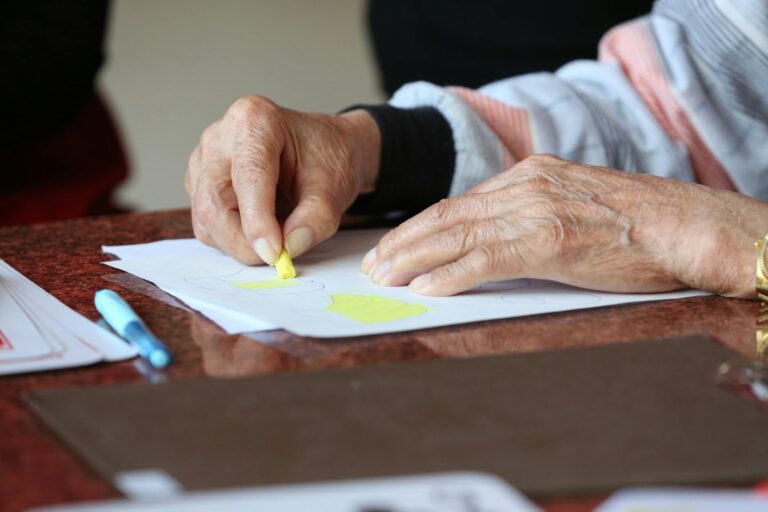
– Engaging patients in gentle physical activities or meaningful tasks to redirect energy.
– Using reassurance and calm communication to ease fears.
– Monitoring for medical issues like infections or medication side effects that may increase agitation.
Pacing is not simply a random or purposeless behavior but a complex response to the challenges dementia patients face in processing their world and expressing their needs. By recognizing the reasons behind pacing, caregivers can better support patients’ well-being and reduce distress for both the individual and those around them.