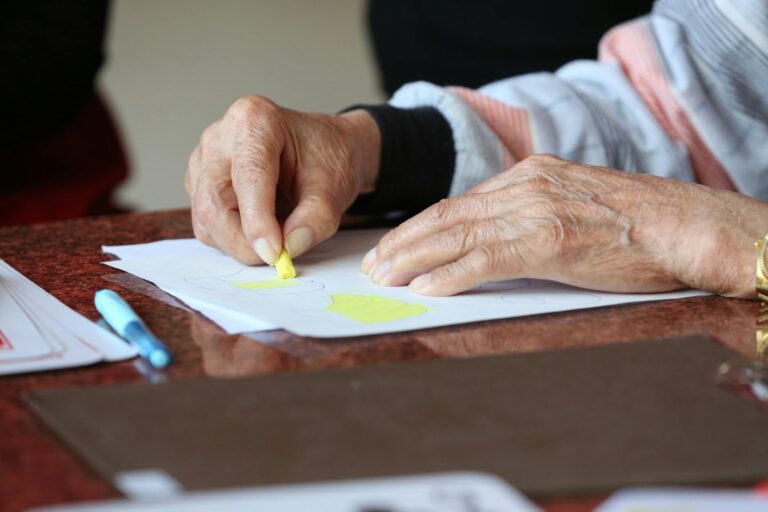
Dementia patients often lose interest in exercise due to a complex interplay of neurological, psychological, and physical factors that affect motivation, ability, and enjoyment. The core reasons revolve around changes in brain chemistry, cognitive decline, emotional disturbances, and physical limitations that accompany dementia progression.
One of the primary neurological reasons is the disruption of brain pathways involved in motivation and reward. Dementia, especially in forms like Alzheimer’s disease and Parkinson’s disease-related dementia, impairs the dopaminergic system—a key brain circuit responsible for feelings of pleasure and motivation. When dopamine signaling decreases, patients experience apathy, a lack of initiative, and diminished interest in activities, including exercise. This apathy is not just a mood issue but a direct consequence of neurobiological dysfunction, making it harder for patients to feel motivated to start or continue physical activity.
Cognitive decline itself also plays a significant role. As dementia progresses, patients face difficulties with memory, attention, and executive function, which are essential for planning, initiating, and following through with exercise routines. They may forget the benefits of exercise, lose track of time, or become confused about how to perform activities safely. This cognitive impairment can lead to frustration or fear of injury, further reducing willingness to engage in physical activity.
Emotional and psychological symptoms common in dementia, such as depression, anxiety, and apathy, compound the problem. Depression, which frequently co-occurs with dementia, lowers energy levels and interest in previously enjoyed activities. Anxiety about physical limitations or unfamiliar environments can also discourage participation. Social isolation, often experienced by dementia patients, removes the encouragement and companionship that might otherwise motivate exercise.
Physical factors are equally important. Dementia patients often have comorbidities such as arthritis, cardiovascular disease, or general frailty, which cause pain, fatigue, or mobility issues. These physical challenges make exercise more difficult and less appealing. Additionally, the loss of motor skills and coordination can make physical activity frustrating or unsafe without proper support.
Environmental and caregiving factors influence exercise interest as well. If caregivers are not trained or motivated to encourage and assist with physical activity, patients may lack the necessary support to engage in exercise. Safe, accessible, and enjoyable exercise options tailored to the patient’s abilities are crucial but often lacking. Without structured programs or social opportunities, patients may not find exercise rewarding or feasible.
Despite these challenges, exercise remains critically important for dementia patients. Physical activity can improve brain health by enhancing dopamine release, increasing neurotrophic factors that support brain plasticity, and improving cardiovascular fitness. Exercise also helps reduce apathy and depressive symptoms, slows cognitive decline, and improves quality of life. However, the loss of interest in exercise is a significant barrier that requires careful, individualized strategies to overcome.
In summary, dementia patients lose interest in exercise primarily because of brain changes that reduce motivation and reward, cognitive impairments that hinder initiation and execution, emotional symptoms that sap energy and enthusiasm, physical limitations that cause discomfort or fear, and environmental factors that fail to provide adequate support. Addressing these issues requires a holistic approach combining medical, psychological, physical, and social interventions tailored to each patient’s unique needs.