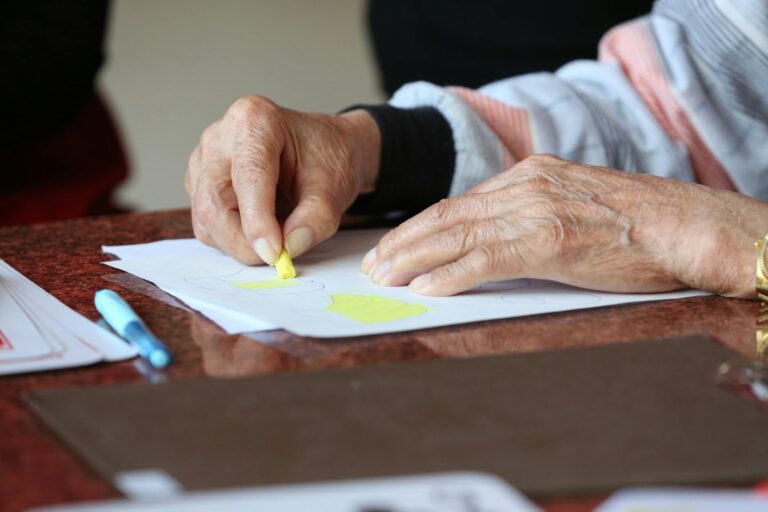
Dementia patients sometimes eat non-food items due to a complex mix of neurological, cognitive, sensory, and behavioral changes caused by their condition. This behavior, often linked to a phenomenon called pica, involves craving and consuming things that are not meant to be eaten, such as paper, dirt, or fabric. It is not fully understood why this happens, but several key factors contribute to this unusual eating behavior.
One major reason is damage to specific brain areas, particularly in types of dementia like frontotemporal dementia (FTD). The brain regions responsible for regulating hunger, satiety, and impulse control—such as the hypothalamus and frontal lobes—can become impaired. This damage disrupts the normal signals that tell a person when they are hungry or full, leading to abnormal eating patterns. For example, patients may lose the ability to inhibit inappropriate behaviors, causing them to eat inedible objects or fixate on certain foods obsessively. This loss of inhibitory control is a hallmark of FTD and can manifest as hyperphagia (excessive eating) or pica (eating non-food items).
Cognitive decline also plays a crucial role. As dementia progresses, patients often experience difficulties recognizing objects and understanding their purpose. This semantic confusion means they might mistake non-food items for edible ones or fail to comprehend the danger of eating such objects. The brain’s impaired ability to process sensory information, including taste and smell, can further complicate this. Foods that once seemed appealing may lose their flavor or texture, leading patients to seek out other items to satisfy oral cravings or sensory needs.
Behavioral and psychological factors are also involved. Dementia can cause changes in mood, anxiety, and stress levels, which may trigger unusual behaviors like eating non-food items. Some patients might engage in this behavior as a form of self-soothing or due to boredom and restlessness. Additionally, vitamin deficiencies or other metabolic imbalances sometimes seen in dementia patients can contribute to pica, although pica itself is not exclusive to dementia and can occur in other conditions.
The environment and supervision level are important considerations. Patients prone to eating non-food items require careful monitoring and a controlled setting to prevent harm. Eating inedible objects can lead to choking, poisoning, or gastrointestinal blockages, making safety a critical concern for caregivers.
In summary, dementia-related eating of non-food items arises from a combination of brain damage affecting appetite regulation and impulse control, cognitive impairments causing misrecognition of objects, altered sensory perceptions, and behavioral changes. These factors intertwine to create a challenging and potentially dangerous behavior that requires attentive care and understanding.