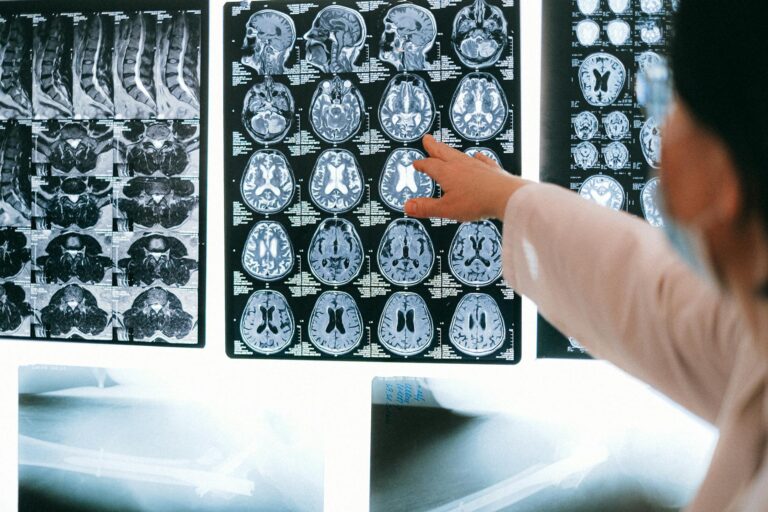
Dementia is a complex condition that affects the brain in many ways, and one of the most heartbreaking symptoms for families is when a person with dementia no longer recognizes their loved ones. This loss of recognition can be deeply confusing and painful, but it happens because dementia changes how the brain processes memories, emotions, and identity.
At its core, dementia damages parts of the brain responsible for memory storage and retrieval. The areas most affected include those that hold personal memories—faces, names, shared experiences—and also those involved in emotional connections. When these regions deteriorate or lose function over time due to diseases like Alzheimer’s or other types of dementia, patients may struggle to recall who people are even if they see them every day.
Recognition depends on several mental processes working together: seeing a face (visual perception), linking that face to stored information (memory), and feeling an emotional connection based on past interactions. Dementia disrupts this chain at multiple points:
– **Memory breakdown:** The hippocampus and related structures are often among the first damaged by dementia. These areas help form new memories and retrieve old ones. When they fail, recent memories fade quickly while older ones may remain longer but eventually also become inaccessible.
– **Impaired facial recognition:** Some forms of dementia affect specific brain regions like the fusiform gyrus which helps identify faces as familiar rather than strangers. Damage here can cause “prosopagnosia,” or face blindness—patients might see someone clearly but cannot connect that image with who they are.
– **Emotional disconnection:** Even if some memory remains intact superficially, patients may lose the emotional context tied to relationships. They might recognize a person’s face without feeling any warmth or familiarity because their ability to link emotion with memory has weakened.
Because recognition involves both cognitive understanding and emotional response, when either is impaired by dementia’s progression it can feel like meeting a stranger—even if it’s someone deeply loved like a spouse or child.
This loss often triggers fear or anxiety in people living with dementia because suddenly familiar faces seem unknown or threatening. They may respond with confusion or even anger as their mind tries desperately to make sense of what feels like an alien world around them where trusted people appear unfamiliar.
Several factors influence why this happens at different times for different individuals:
– **Stage of disease:** Early on some patients retain good recognition but gradually lose it as damage spreads deeper into critical brain areas.
– **Type of dementia:** Alzheimer’s disease typically causes progressive memory loss including facial recognition problems; other dementias such as Lewy body disease might cause fluctuating awareness leading to intermittent moments where loved ones are recognized then forgotten again.
– **Physical health & environment:** Pain, fatigue, medication side effects or overstimulation from noisy environments can worsen confusion making it harder for someone with dementia to process social cues correctly.
– **Emotional state & coping mechanisms:** People react differently depending on personality traits before illness onset; some deny difficulties while others become anxious trying hard not to forget important relationships despite failing cognition.
For caregivers witnessing this phenomenon firsthand—when mom doesn’t know her own child anymore—it can feel devastating yet understanding what underlies these changes helps approach situations more compassionately:
Instead of confronting denial head-on by insisting “I am your daughter,” caregivers find better success gently redirecting attention away from failed recognition toward comforting activities such as holding hands quietly together or sharing music linked emotionally rather than cognitively demanding interaction alone.
It also helps knowing that failure in recognizing loved ones isn’t willful rejection; it arises from genuine neurological impairment beyond anyone’s control—a cruel effect caused by damaged wiring inside the brain rather than lack of love or care between family members.
In addition,
people living with dementia sometimes experience hallucinations or paranoia triggered by misinterpreting unfamiliar faces which adds another layer explaining why they might react fearfully toward relatives who look strange due to changed appearance over time (aging) combined with cognitive decline causing distorted perceptions.
Caregivers should be mindful too about how thei