### Why Dementia Patients Often Lose the Ability to Detect Sarcasm
Dementia, a condition that affects memory, thinking, and behavior, can bring about many changes in how people perceive the world. One of the surprising symptoms of early dementia progression is the inability to understand sarcasm. This can be particularly challenging for both the person with dementia and their loved ones.
### Understanding Sarcasm
Sarcasm is a form of speech that involves saying the opposite of what you mean. It’s often used to convey irony, mocking, or contempt. For example, saying “Oh, great, just what I needed, another bill to pay” when you receive a new bill can be sarcastic. People with dementia may struggle to recognize these subtle cues, leading to confusion and frustration.
### Communication Changes in Dementia
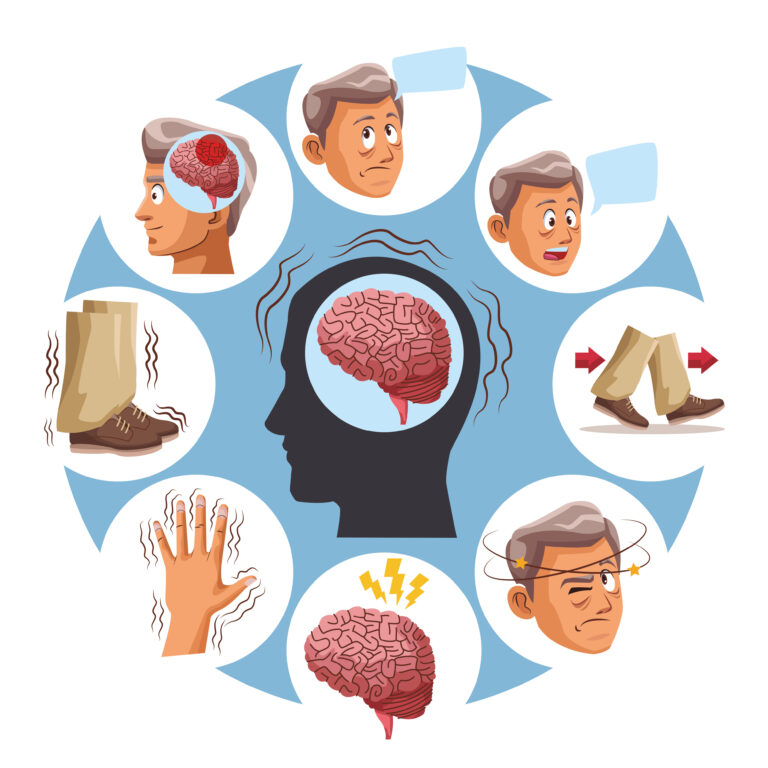
As dementia progresses, people often lose the ability to communicate effectively. This includes not only verbal communication but also understanding nonverbal cues like facial expressions and tone of voice. The brain’s ability to process complex social interactions, including sarcasm, is impaired. This can lead to misunderstandings and misinterpretations of what others are saying.
### Why Sarcasm Detection is Affected
Research suggests that the brain’s right hemisphere, which is responsible for processing emotions and social cues, is particularly affected in dementia. The right hemisphere is crucial for understanding the emotional tone and context of speech, including sarcasm. When this area is damaged, it becomes harder for individuals to recognize and interpret these subtle cues.
### Practical Implications
For caregivers and family members, it’s essential to be patient and understanding. Here are some practical tips to help manage situations where sarcasm detection is a challenge:
1. **Clear Communication**: Use simple and clear language to avoid confusion.
2. **Avoid Sarcasm**: Refrain from using sarcasm yourself, as it can be misinterpreted.
3. **Emotional Validation**: Acknowledge and validate the person’s feelings, even if they misinterpret something.
4. **Non-Verbal Cues**: Pay attention to non-verbal cues like body language and facial expressions to help clarify the situation.
### Conclusion
Losing the ability to detect sarcasm is just one of the many challenges faced by people with dementia. By understanding the underlying reasons and adapting our communication strategies, we can make the lives of those affected by dementia more comfortable and less frustrating. With patience, empathy, and clear communication, we can help them navigate the complexities of everyday interactions.