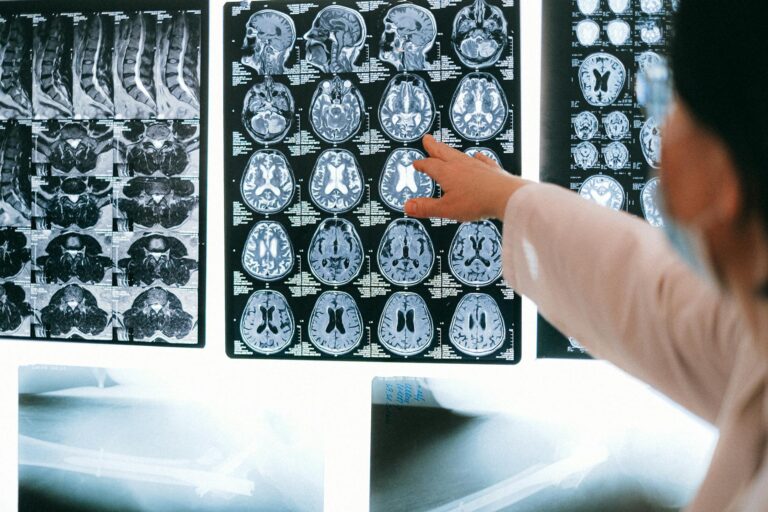
Changes in walking speed can be an important early signal of cognitive decline because walking is a complex activity that requires coordination between the brain, nerves, and muscles. When cognitive function begins to deteriorate, it often affects the brain’s ability to control movement smoothly and efficiently. This disruption can manifest as slower walking speed or altered gait patterns even before more obvious symptoms of cognitive impairment appear.
Walking involves multiple brain regions responsible for planning, attention, memory, and motor control. If these areas start to weaken due to aging or neurological conditions like dementia or Parkinson’s disease, the subtle changes in how a person walks may become noticeable. For example, reduced step length and slower pace are common signs linked with declining cognition. These gait changes reflect difficulties in processing information quickly enough to maintain normal walking rhythm and balance.
Research has shown that people who experience a decrease in their usual walking speed over time are at higher risk of developing mild cognitive impairment or dementia later on. This relationship exists because both motor skills involved in walking and cognitive abilities share overlapping neural pathways vulnerable to damage from neurodegenerative diseases. In fact, studies tracking older adults have found that those who walk more slowly tend also to show declines in executive functions such as decision-making and processing speed.
Moreover, monitoring changes in gait through wearable sensors or simple timed walks provides a non-invasive way for clinicians to detect early signs of cognitive problems before they become severe enough for diagnosis through traditional tests alone. This approach allows for earlier intervention strategies aimed at slowing down progression by encouraging physical activity like increased walking pace which itself has been shown to help maintain brain health.
Slower gait is also associated with frailty—a condition marked by decreased strength and resilience—which further increases vulnerability not only for falls but also for worsening cognition. Improving one’s walking speed slightly above their normal pace can enhance physical function among older adults at risk of frailty while potentially supporting better mental functioning too.
In summary:
– Walking requires complex coordination involving multiple brain areas tied closely with cognition.
– Cognitive decline disrupts this coordination leading first to subtle changes such as slower walk speeds.
– Slower gait predicts higher risk of future dementia or mild cognitive impairment.
– Gait analysis offers an accessible tool for early detection of declining brain health.
– Increasing physical activity including faster-paced walking may help protect against further decline.
– Frailty links poor mobility with increased chances of both falls and worsening cognition.
Understanding why changes in how fast someone walks matter gives insight into the intimate connection between body movement and mind function—highlighting how something as simple as paying attention when someone starts moving differently could provide crucial clues about their overall brain health years before more serious symptoms emerge.