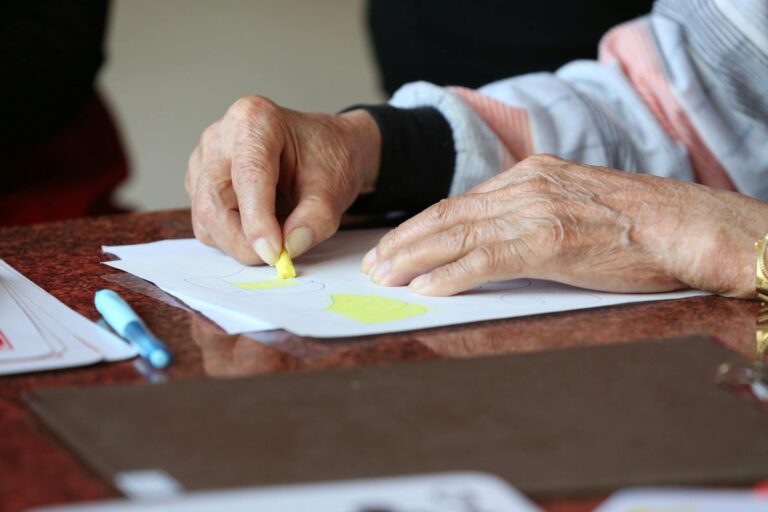
Alzheimer’s disease can profoundly erase parts of a person’s self-image because it gradually destroys the brain functions that form the foundation of identity, memory, and emotional stability. The self-image is essentially how we see ourselves—our memories, personality traits, beliefs, abilities, and social roles all contribute to this internal sense of who we are. Alzheimer’s disrupts these components by damaging brain areas responsible for storing memories and processing emotions.
At its core, Alzheimer’s causes progressive loss of memory and cognitive skills. Memories are crucial to self-identity because they connect us to our past experiences and shape our understanding of ourselves over time. When someone with Alzheimer’s begins forgetting personal history—such as important life events or relationships—they lose pieces of their narrative that define them as an individual. This fragmentation makes it difficult for them to maintain a coherent sense of continuity in their life story.
Beyond memory loss, Alzheimer’s also affects mood regulation and behavior due to neurological damage. People may experience depression, anxiety, irritability or apathy which can alter how they perceive themselves emotionally. They might feel insecure or confused about their abilities as tasks once familiar become challenging or impossible. This emotional instability further erodes confidence and self-esteem—the pillars supporting a positive self-image.
The disease also impairs judgment and insight; individuals often lose trust in their own decisions or perceptions because they recognize something is wrong but cannot fully understand what it is. This uncertainty breeds frustration and fear that undermine the stable sense of “I” they once had.
Socially, Alzheimer’s can isolate people from others through communication difficulties or withdrawal caused by embarrassment over symptoms like forgetfulness or confusion. Social roles such as being a parent, spouse, worker—or simply an active community member—may be diminished when cognitive decline limits participation in those roles. Losing these external validations contributes heavily to feeling less like oneself.
Physiologically speaking, Alzheimer’s targets specific brain regions including the hippocampus (critical for forming new memories) and parts of the cerebral cortex involved in thinking processes related to identity formation such as language comprehension and executive function (planning/decision-making). As these areas deteriorate:
– **Memory gaps widen**, erasing autobiographical details.
– **Language skills falter**, making expression difficult.
– **Problem-solving weakens**, reducing independence.
– **Emotional responses become unpredictable** due to impaired regulation centers.
All these changes combine so that what remains internally accessible—the person’s “self”—becomes increasingly fragmented.
However difficult this process is for those affected by Alzheimer’s—and heartbreaking for loved ones—it does not mean every aspect disappears at once nor uniformly across all individuals at every stage. Some therapies focus on stimulating remaining cognitive pathways through reminiscence activities like looking at personal photos which can temporarily rekindle feelings connected with identity even if explicit recall fails momentarily.
Care approaches emphasize supporting dignity by encouraging participation in meaningful activities tailored to current abilities while providing reassurance against feelings of insecurity caused by lost control over one’s mind.
In essence: Alzheimer’s erases parts of a person’s self-image because it dismantles the mental architecture holding together memories, emotions, social connections—and ultimately the continuous story each person tells themselves about who they are—leading not only to forgetfulness but profound shifts in identity itself.