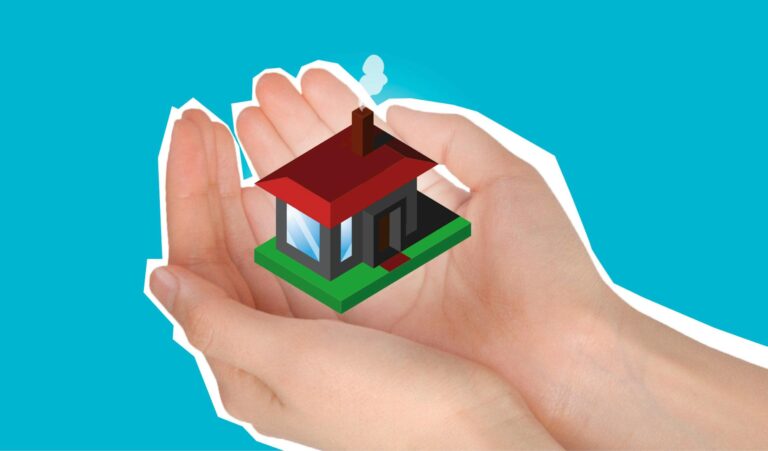
“Where’s Home?” is a question that can break your heart because it touches on something deeply personal and often complicated. Home isn’t just a physical place with walls and a roof; it’s where you feel safe, seen, and at peace. But what happens when that feeling is missing or uncertain?
Many people imagine home as a fixed destination—a place you arrive at once everything in life settles down. Yet, home is more of an ongoing practice than a permanent state. It’s about creating intimacy with your own life and surroundings, noticing what calms your nervous system and allows you to rest fully in the moment. This means paying attention to small details: the softness of a blanket, the scent in the air, or even how lighting changes your mood. These sensory experiences quietly tell your brain that this space belongs to you—that here, you can be yourself without pretense.
But making a house feel like home goes beyond objects or habits; it also involves social and economic realities. Rising housing costs force many people into spaces chosen for affordability rather than comfort or personal meaning. This struggle undermines what psychologists call “ontological security”—the ability to truly take up space as yourself without fear or instability.
Sometimes “home” can be painful because it holds family secrets or unresolved conflicts—places where safety feels fragile rather than assured. The very spot meant for refuge might instead remind us of discomfort or loss.
On another level, questions about home connect with our inner worlds too—the parts we hide away because they seem dark or unlovable. Acknowledging these shadow sides within ourselves takes courage but leads to greater mental health by allowing us to live more honestly rather than wearing masks.
Ultimately, asking “Where’s home?” invites reflection on both external spaces and internal landscapes—on how we care for ourselves physically and emotionally—and challenges us to find belonging not just somewhere else but within our own lives every day.