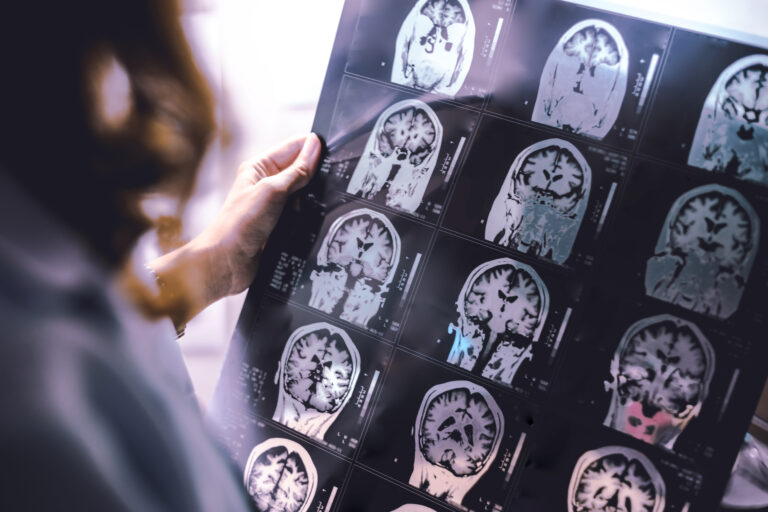
**What You Need to Know About Dementia Medication and Liver Function**
Dementia medications like donepezil are commonly prescribed to manage memory loss in Alzheimer’s disease[1]. However, their safety can depend on your liver health. Here’s a breakdown of key points to keep in mind:
**Liver Health Matters More Than You Think**
Your liver processes many medications, including those for dementia. If your liver isn’t working well, drugs may build up in your body, increasing side effects. For example, galantamine (another dementia drug) requires caution in people with moderate liver issues because it could stay active longer than intended[2].
Surprisingly, up to 13% of dementia cases might actually stem from undiagnosed liver problems like hepatic encephalopathy—a condition where toxins from a failing liver affect the brain[3]. This means treating the liver could sometimes improve cognitive symptoms instead of relying solely on dementia meds.
**Medications That Can Harm Your Liver**
While not all dementia drugs directly damage the liver, other common medications might:
– **Antiseizure drugs**: Phenytoin or carbamazepine can trigger immune reactions that harm the liver[4].
– **Methotrexate**: Used for arthritis or cancer, this drug risks long-term liver damage if combined with alcohol or existing conditions[4].
– **Antifungals**: Ketoconazole or fluconazole may cause mild enzyme spikes or severe inflammation in rare cases[4].
Doctors often monitor blood tests to catch early signs of trouble. If you take these alongside dementia meds, ask about potential interactions.
**Good News: Some Drugs May Help Both Brain and Body**
Recent studies suggest diabetes medications like Ozempic (semaglutide) could lower dementia risk by improving blood sugar control and reducing brain inflammation linked to Alzheimer’s[5]. While not yet approved for dementia prevention specifically, they highlight how managing overall health supports brain function.
**What You Can Do Now**
1. **Get screened**: If you have unexplained memory issues and a history of heavy drinking or fatty liver disease, ask about hepatic encephalopathy testing[3].
2. **Review all meds**: Share every prescription/supplement with your doctor—even seemingly unrelated ones can strain your liver over time[4][2].
3. **Prioritize lifestyle**: A diet low in processed foods and alcohol helps protect both your brain and liver long-term[3][5].
By staying informed about how medications interact with organ health—and advocating for regular check-ups—you can better navigate treatment options that work *with* your body rather than against it.**References:** Mayo Clinic [1][2], *The American Journal of Medicine* [3], FCP Live-In [4], JAMA Neurology [5]