When it comes to helping with memory loss, certain types of journaling stand out as particularly beneficial. The most effective journaling methods for supporting memory involve **reflective writing**, **memory logs**, and **structured prompts** that encourage recalling and organizing past experiences. These approaches not only stimulate cognitive functions related to memory but also help maintain mental sharpness by engaging the brain in active processing.
Reflective journaling involves writing about daily events, emotions, or thoughts in a way that encourages deeper consideration and connection-making. This practice activates the prefrontal cortex—the part of the brain responsible for executive functions like planning, reasoning, and problem-solving—which is crucial for maintaining cognitive health. By regularly reflecting on experiences, individuals strengthen neural pathways associated with memory retrieval and emotional regulation.
Memory logs are a more targeted form of journaling designed specifically to aid recall. They might include recording important details from one’s day such as names, places visited, conversations had, or tasks completed. Writing these down helps reinforce those memories by repeatedly activating related neural circuits. Over time this can slow down cognitive decline by keeping the brain engaged in remembering concrete facts.
Structured prompt-based journaling uses guided questions or themes that encourage users to retrieve specific memories or think critically about their life events—for example: “What was a happy moment from last week?” or “Describe your favorite childhood place.” These prompts serve as mental cues that trigger detailed recollections rather than vague impressions. This kind of focused retrieval practice is known to improve both short-term recall and long-term retention.
Gratitude journals also play an indirect but powerful role in supporting memory through emotional well-being enhancement. When people write regularly about things they appreciate or positive experiences they’ve had, it reduces stress hormones like cortisol which can impair cognition if chronically elevated. Lower stress levels create a better environment for learning and remembering because anxiety often disrupts concentration needed for encoding new information into memory.
Another valuable style is expressive writing where individuals freely explore their feelings without worrying about grammar or structure—sometimes called stream-of-consciousness journaling. This method helps clear mental clutter by externalizing worries and negative thoughts onto paper so they don’t interfere with cognitive processes including attention span and working memory capacity.
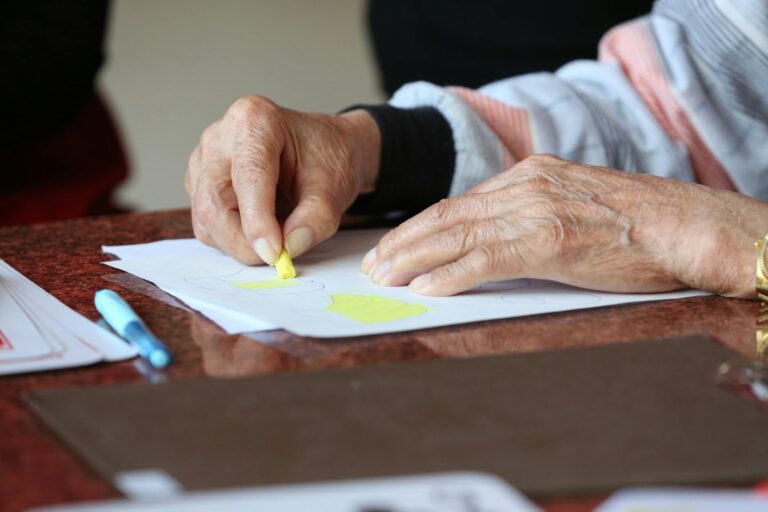
For seniors especially—who may face age-related declines—journaling serves multiple roles: it acts as a gentle exercise for the mind while providing emotional support against loneliness or depression which themselves negatively impact cognition if left unaddressed.
To maximize benefits:
– Consistency matters; daily short sessions are more effective than sporadic long ones.
– Combining different styles (e.g., starting with gratitude then moving into reflective entries) keeps engagement high.
– Using visual aids like photos alongside journal entries can further enhance recall.
– Sharing journal content occasionally with trusted friends or therapists adds social interaction benefits which support brain health too.
In essence, journaling tailored toward stimulating active recall through reflection, structured prompts focused on specific memories, gratitude practices reducing stress impacts on cognition—and expressive free-writing—all contribute uniquely toward improving memory function over time while fostering overall mental wellness through regular engagement of key brain areas involved in thinking and feeling deeply connected to one’s life story.