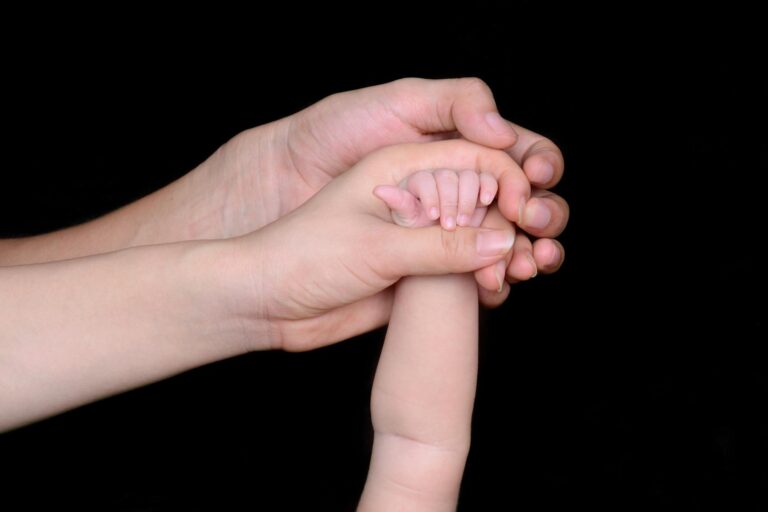
When someone you love forgets who you are, it can feel like the ground has dropped out from under you. This is especially true if that person is living with Alzheimer’s or another form of dementia. The pain and confusion are real, but there are ways to cope and care for both your loved one and yourself.
## Understanding What’s Happening
Forgetting names, faces, and relationships is a common symptom as dementia progresses. It doesn’t mean your loved one no longer cares about you—their brain is changing in ways that make it hard to remember even the most important people in their lives. Sometimes, they might recognize you one moment and not the next. Other times, the memory may be gone for good.
## How to Respond
Stay calm and patient. It’s natural to feel hurt or frustrated, but showing those emotions can confuse or upset your loved one even more. Take a deep breath before responding.
Use gentle reminders instead of corrections. If they don’t recognize you, try saying something like “Hi Mom, it’s me—your daughter Sarah.” Keep your tone warm and reassuring.
Focus on feelings rather than facts. Even if they don’t know your name or relationship, they may still respond to kindness, touch (like holding their hand), or familiar routines.
Don’t take it personally when they forget who you are—it isn’t about how much they love(d) you; it’s about what their brain can no longer do.
## Practical Tips for Daily Life
Keep conversations simple and direct. Avoid asking questions that rely on memory (“Do you remember when we went to the beach?”). Instead talk about what’s happening right now (“It’s such a nice day outside”).
Use photos or mementos as prompts sometimes—but don’t insist if it seems to frustrate them.
Maintain routines as much as possible: familiar activities can provide comfort even when memories fade.
Take care of yourself too: this situation is emotionally draining; seek support from friends family support groups professionals who understand what caregivers go through every day
## When Emotions Overwhelm You
It’s okay grieve loss connection once shared while also finding new ways connect present moment with person still here now despite changes illness brings into both lives together over time passing by each day differently than before diagnosis was made official by doctors involved in care process throughout journey ahead together until end comes eventually someday far off near future unknown yet certain arrive at some point down road traveled side by side regardless whether remembered forgotten along way matters less than being there showing up consistently lovingly patiently kindly whenever possible given circumstances faced head-on without looking away pretending everything fine when clearly not case reality lived daily basis inside homes hearts minds affected directly indirectly everyone touched story unfolding slowly surely inevitably over months years decades depending progression disease course taken individual basis unique each person experiencing symptoms own way pace timeline unpredictable always changing never static fixed forevermore amen