When a person forgets who they are, it can be a deeply distressing and confusing experience both for them and for those around them. This condition, often linked to severe memory loss or identity confusion, may arise from various causes such as brain injury, neurological disorders, psychological trauma, or acute medical conditions. Understanding what to do in such situations involves a combination of immediate care, medical evaluation, emotional support, and long-term strategies to help the individual regain or cope with their sense of self.
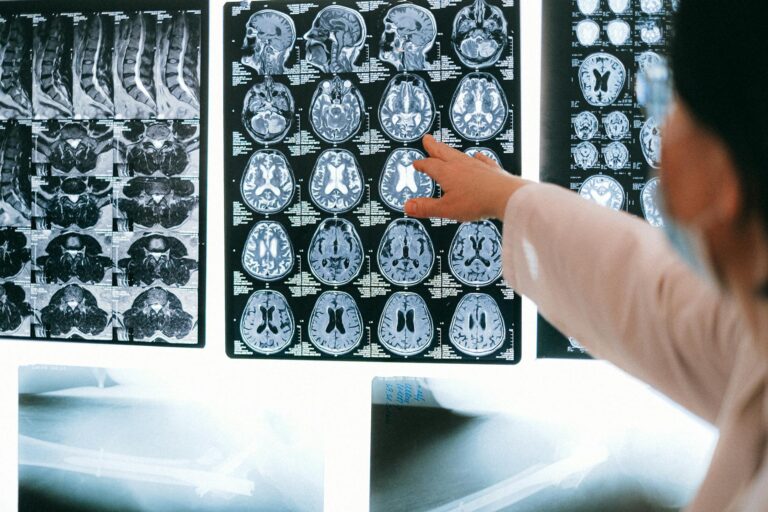
First and foremost, if someone suddenly forgets who they are, it is crucial to seek **immediate medical attention**. Sudden memory loss or confusion can be a sign of serious conditions such as stroke, delirium, or severe infection, all of which require urgent diagnosis and treatment. Emergency services or a hospital visit can help identify if the memory loss is reversible or if it stems from a life-threatening cause. Medical professionals will perform assessments to determine the underlying cause, which might include brain imaging, blood tests, and cognitive evaluations.
Once acute causes are ruled out or treated, the next step is to provide **a calm, safe, and supportive environment**. The person may feel frightened, disoriented, or anxious about their loss of identity. It helps to gently remind them of familiar things without overwhelming them. Using photographs, personal belongings, or familiar voices can sometimes trigger recognition and provide comfort. However, it is important to avoid forcing memories or pushing the person too hard, as this can increase distress.
If the memory loss is related to a neurological condition such as dementia or mild cognitive impairment, ongoing care involves **structured routines and cognitive support**. Establishing consistent daily schedules, labeling important items, and simplifying tasks can help the person function more independently. Engaging them in mentally stimulating activities like puzzles, reading, or simple crafts may help maintain cognitive function and slow further decline. Physical exercise and a healthy diet rich in fruits and vegetables also support brain health.
In cases where memory loss is linked to psychological causes, such as dissociative amnesia triggered by trauma, **psychological therapy** plays a key role. Therapists can help the individual process traumatic events and gradually rebuild their sense of identity. Support from family and friends is essential to provide reassurance and reduce feelings of isolation.
For those with chronic memory loss, caregivers and loved ones should learn to communicate patiently and clearly, using simple language and repeating information as needed. It is helpful to focus on the present moment and the person’s current feelings rather than constantly trying to restore lost memories. Encouraging social interaction and participation in group activities can reduce loneliness and improve mood.
In addition to these practical steps, some general lifestyle measures can support memory and identity preservation:
– Regular physical exercise, especially activities that involve coordination and social interaction, can improve brain function.
– Mental exercises such as learning new skills, playing strategy games, or engaging in creative hobbies stimulate neural connections.
– Ensuring adequate sleep and managing stress are vital since both affect memory consolidation.
– Avoiding harmful substances like excessive alcohol or drugs protects brain cells and cognitive abilities.
– Monitoring and managing chronic health conditions like high blood pressure, diabetes, or thyroid disorders can prevent further cognitive decline.
If the person’s memory loss is progressive or linked to degenerative diseases, medical treatments may include medications that slow cognitive decline or address symptoms like depression, which can worsen memory problems. Vitamin supplementation or hormone replacement might be prescribed if deficiencies are identified.
Ultimately, when someone forgets who they are, the approach is multifaceted: urgent medical evaluation to identify treatable causes, compassionate emotional support to reduce fear and confusion, cognitive and physical activities to maintain brain function, and psychological care when trauma is involved. Patience, understanding, and a safe environment are the pillars that help individuals navigate the difficult journey of memory loss and identity confusion.