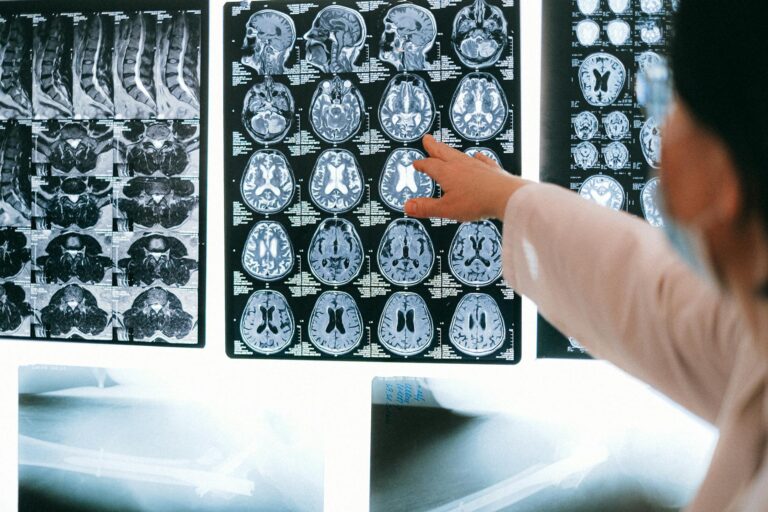
The body retains memories in ways that go far beyond what the brain consciously recalls. Even when the brain forgets facts, events, or names, the body can remember through sensations, habits, and emotional responses embedded deep within its tissues and nervous system. This phenomenon reveals that memory is not just a function of conscious thought but also an intricate interplay between mind and body.
At the heart of this idea is the distinction between different types of memory. The brain’s explicit memory handles facts and events we can consciously recall—like a birthday or a phone number—but there are other forms such as implicit or procedural memory that operate beneath awareness. Procedural memory governs skills like riding a bike or typing on a keyboard; you may not be able to explain how you do these things step-by-step, but your body “knows” them automatically.
Beyond procedural skills lies something even more profound: *the body’s cellular and emotional memories*. For example, trauma experienced long ago might no longer be accessible as clear thoughts in your mind but can still manifest physically—through muscle tension, chronic pain, or instinctive reactions like anxiety in certain situations. This happens because experiences shape neural pathways not only in the brain but throughout the nervous system and even at cellular levels.
The nervous system acts as an extensive network connecting every part of your body to your brain’s command centers. When you experience intense emotions—fear, joy, grief—the body responds with physiological changes: heart rate shifts, hormone releases occur, muscles tighten or relax. These bodily states become encoded alongside memories so that later triggers can evoke physical sensations without conscious thought.
Consider how smells often bring back vivid recollections from childhood—not just images but feelings tied to those moments—as scent receptors link directly to parts of the brain involved with emotion and memory storage. Similarly, posture or habitual gestures learned over years carry subtle imprints of past experiences influencing how one moves through life unconsciously.
Even when explicit recall fades due to aging or injury (such as Alzheimer’s disease), many people retain procedural abilities like walking or playing piano because these are stored differently than episodic memories about specific events. The preservation of these motor skills shows how deeply ingrained bodily knowledge is distinct from conscious remembering.
Moreover, scientific research increasingly recognizes *interoception*—the body’s ability to sense internal states—as crucial for understanding how we “remember” feelings inside us without words attached. Your gut feeling about danger isn’t always rationally explained; it arises from complex feedback loops between organs and brain regions monitoring internal balance shaped by past encounters.
In therapeutic contexts such as somatic experiencing or trauma therapy approaches focusing on bodily awareness rather than verbal recounting highlight this principle: healing sometimes requires reconnecting with what the body remembers before words return clarity to forgotten stories locked away by distress.
This embodied form of remembering underscores why practices like mindfulness meditation emphasize tuning into physical sensations—to access layers of experience inaccessible through intellectual reflection alone—and why movement therapies help release stuck emotions held physically rather than mentally processed.
Ultimately what this means is our identity isn’t solely housed in abstract thoughts stored somewhere inside our heads; it lives dynamically within every fiber—from muscle tone reflecting habitual stress patterns to breath rhythms echoing emotional histories long since buried beneath surface consciousness.
So while brains may forget names once familiar or details once clear-cut over time—or under trauma—the bodies continue holding onto traces invisible yet potent: echoes felt deep down where neurons meet flesh telling stories no longer spoken aloud yet never truly lost either.