Calming Techniques for Anxiety
Anxiety can be overwhelming, affecting both the mind and body. Fortunately, there are several effective techniques that can help calm a patient during moments of anxiety. These methods focus on reducing stress, promoting relaxation, and improving emotional well-being.
### Deep Breathing Exercises
Deep breathing is one of the simplest yet most effective ways to calm anxiety. It involves taking slow, deep breaths through the nose and exhaling slowly through the mouth. This technique can be practiced anywhere and helps slow down the heart rate, reducing feelings of panic. For example, inhale for four seconds, hold for four seconds, and exhale for eight seconds, repeating until you feel more relaxed[1][5].
### Mindfulness Meditation
Mindfulness meditation involves focusing on the present moment, often by concentrating on your breath or body sensations. This practice helps reduce anxious thoughts by keeping you grounded in the current moment. Regular mindfulness can improve emotional regulation and reduce stress[2][5].
### Progressive Muscle Relaxation
This technique involves tensing and relaxing different muscle groups in your body. Start with your toes and work your way up to your head, holding each muscle group for a few seconds before releasing. This helps release physical tension that often accompanies anxiety[1][3].
### Visualization
Visualization is a powerful tool for calming anxiety. It involves imagining yourself in a peaceful, calming environment, such as a beach or forest. This mental imagery can distract from anxious thoughts and promote relaxation[1][3].
### Exercise and Physical Activity
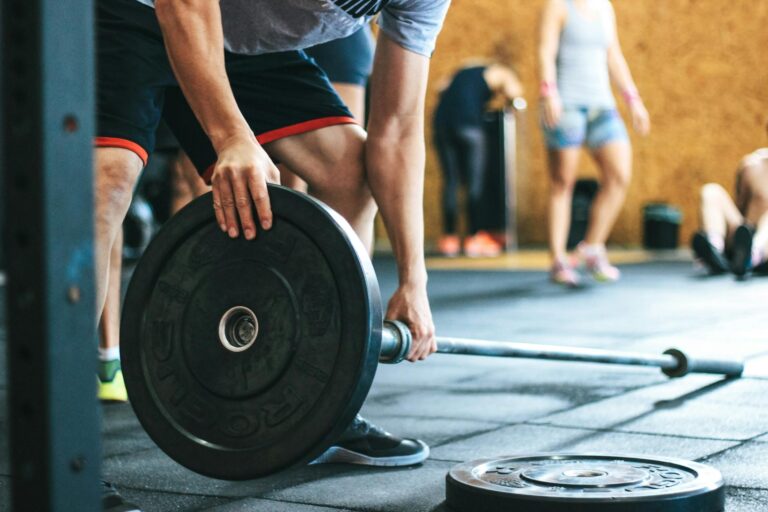
Regular exercise is known to reduce anxiety by releasing endorphins, which are natural mood lifters. Even a short walk can help manage anxiety symptoms by improving mood and reducing stress hormones[1][5].
### Cognitive Reframing
Cognitive reframing involves changing how you perceive stressful situations. By viewing challenges in a more positive or realistic light, you can reduce anxiety and improve your ability to cope with difficult situations[1][3].
### Spending Time in Nature
Being in nature can have a calming effect on the mind and body. Spending time outdoors, whether walking in a park or simply sitting in a garden, can help reduce anxiety and promote relaxation[1][2].
### Listening to Music
Music can be a great source of stress relief. Listening to calming music can help distract from anxious thoughts and promote a sense of calm[2][5].
### Aromatherapy
Aromatherapy involves using essential oils like lavender or chamomile to create a calming atmosphere. These oils can be used in diffusers or applied topically to help reduce anxiety[1].
### Journaling
Writing down your thoughts and feelings can help externalize anxious thoughts, making them easier to manage. Journaling can provide a sense of relief and clarity, helping you understand and address the root causes of your anxiety[1][2].
### Seeking Professional Help
If anxiety persists or becomes overwhelming, seeking help from a mental health professional can be beneficial. Therapists can provide personalized strategies and support to manage anxiety effectively[1][2].
In conclusion, managing anxiety requires a combination of self-care practices and professional support when needed. By incorporating these calming techniques into your daily routine, you can better manage anxiety and improve your overall well-being.