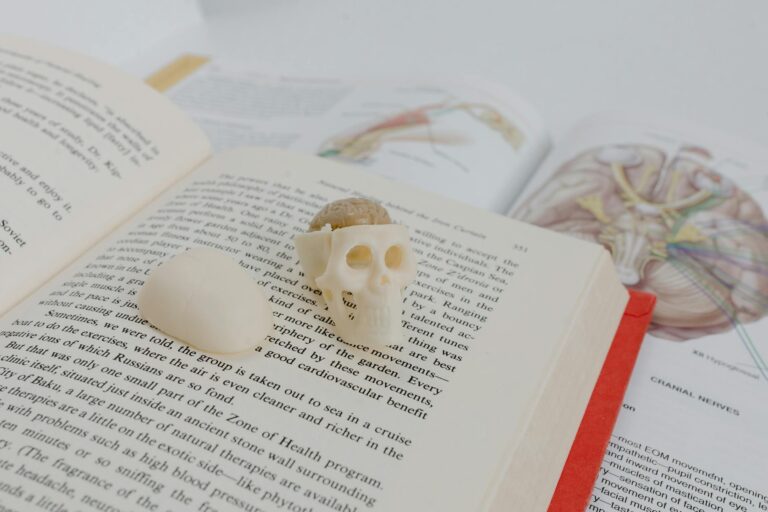
Mental stimulation plays a big role in helping prevent dementia. Keeping your brain active and challenged as you age can lower your risk of cognitive decline and dementia.
Studies show that people who regularly engage in mentally stimulating activities are less likely to develop dementia. Things like reading, doing puzzles, playing games, learning new skills, and staying socially active all help keep your brain sharp.
When you challenge your brain with new activities, it forms new connections between brain cells. This builds up your “cognitive reserve” – extra brain capacity that can help compensate for age-related brain changes. The more cognitive reserve you have, the more resilient your brain is against dementia.
Brain games and puzzles can be helpful, but real-life activities may be even better. Things like learning a new language, taking up a musical instrument, or volunteering provide more comprehensive mental stimulation. Physical exercise, social interaction, and learning new skills all combine to give your brain a good workout.
Even simple daily activities can keep your mind engaged. Planning trips, managing finances, or having conversations all stimulate different parts of your brain. The key is to keep challenging yourself with novel and complex tasks.
While brain training apps are popular, their benefits may be limited. They can improve specific skills, but may not translate to overall better cognitive function. Everyday activities that make you think in new ways are often more effective.
For people already experiencing some cognitive decline, mental stimulation is still important. Activities should be enjoyable and matched to the person’s abilities to avoid frustration. Even things like looking at family photos or listening to familiar music can be beneficial.
It’s never too late to start exercising your brain. Older adults who take up new hobbies or learn new skills can still boost their cognitive function. The brain remains capable of forming new connections throughout life.
Mental stimulation alone can’t guarantee you won’t get dementia. But combined with other healthy habits like exercise, good nutrition, and quality sleep, it’s a powerful way to keep your brain healthy as you age. Staying curious and engaged in life helps keep your mind sharp for years to come.