The Mini-Mental State Examination (MMSE) is a widely used tool designed to quickly assess cognitive function, especially in contexts like dementia screening. However, while MMSE scores provide a snapshot of certain cognitive abilities, there are many important aspects of brain health and daily functioning that the MMSE does not measure but still matter greatly.
First, the MMSE primarily focuses on basic cognitive domains such as orientation to time and place, immediate recall, attention and calculation, language skills, and simple visuospatial abilities. It does not capture subtle or early cognitive changes very well, especially in the initial stages of mild cognitive impairment or dementia. People can score within the normal range on the MMSE yet still experience meaningful difficulties in real life, such as problems with complex planning, multitasking, or memory retrieval that are not tested by the MMSE.
Second, the MMSE does not assess many higher-order cognitive functions that are crucial for everyday independence and quality of life. These include executive functions like problem-solving, decision-making, flexible thinking, and inhibitory control. These skills are essential for managing finances, medication, social interactions, and adapting to new situations. Deficits in these areas can severely impact a person’s ability to live independently even if their MMSE score appears relatively intact.
Third, the MMSE is limited in its sensitivity to cultural, educational, and language differences. It relies on tasks that assume a certain level of literacy and familiarity with specific concepts, which can bias results and mask true cognitive status in diverse populations. This means that some individuals may be unfairly scored as impaired or unimpaired based on their background rather than their actual cognitive health.
Fourth, the MMSE does not measure emotional, psychological, or social factors that influence cognitive health and daily functioning. Conditions like depression, anxiety, social isolation, and stress can profoundly affect cognition but are not captured by the MMSE. These factors can worsen cognitive symptoms or mimic cognitive decline, so understanding them is vital for a full picture of a person’s condition.
Fifth, the MMSE does not evaluate functional abilities directly. While cognitive tests measure mental processes, they do not always reflect how well a person can perform everyday tasks such as cooking, cleaning, shopping, or managing appointments. Functional assessments and reports from caregivers or family members are often needed to understand the real-world impact of cognitive changes.
Sixth, the MMSE is a brief, pen-and-paper test that can be influenced by factors like fatigue, motivation, test anxiety, or sensory impairments (e.g., poor vision or hearing). These factors can affect performance independently of true cognitive ability, leading to scores that may not fully represent the person’s cognitive status.
Seventh, the MMSE does not track changes over time with high precision. Because it is relatively coarse and has a limited score range, small but meaningful cognitive declines may not be detected early enough to intervene effectively. More sensitive and comprehensive digital cognitive assessments are emerging that can detect subtle changes earlier and provide richer data for clinicians.
Eighth, the MMSE does not assess language nuances beyond basic naming and repetition, missing out on aspects like verbal fluency, comprehension in complex conversations, or pragmatic language skills. These language abilities are important for social communication and can decline in certain types of dementia before other cognitive domains.
Ninth, the MMSE does not measure non-cognitive symptoms of neurodegenerative diseases, such as changes in personality, behavior, or motor function. These symptoms can be early indicators of certain conditions and have a major impact on patients and caregivers.
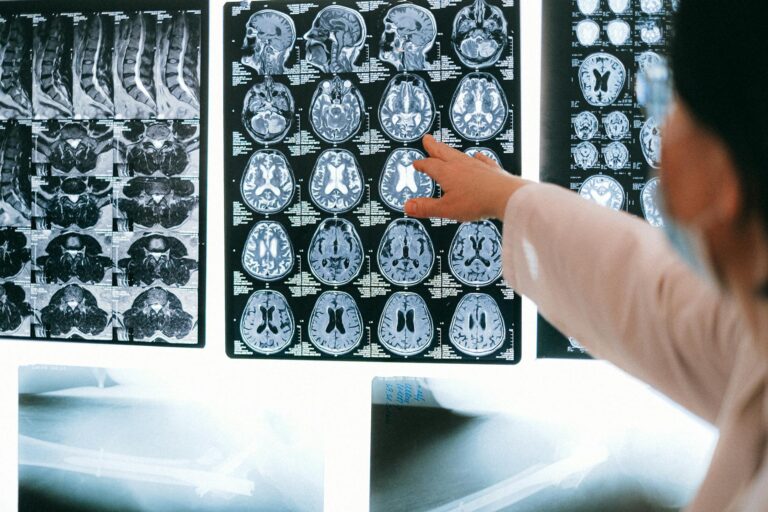
Tenth, the MMSE does not incorporate biomarkers, neuroimaging, or genetic information that can provide a more comprehensive understanding of underlying brain pathology. Modern diagnostic approaches increasingly combine cognitive testing with biological data to improve accuracy and guide treatment.
In essence, while MMSE scores offer a useful starting point for assessing cognitive function, they do not capture the full complexity of brain health or the many factors that influence a person’s ability to live well. Understandin