Growth factors play a crucial role in the healing processes associated with multiple sclerosis (MS), a chronic neurological disease characterized by damage to the myelin sheath that insulates nerve fibers in the central nervous system. These naturally occurring proteins and signaling molecules influence cell growth, differentiation, survival, and repair mechanisms, which are essential for counteracting the damage caused by MS.
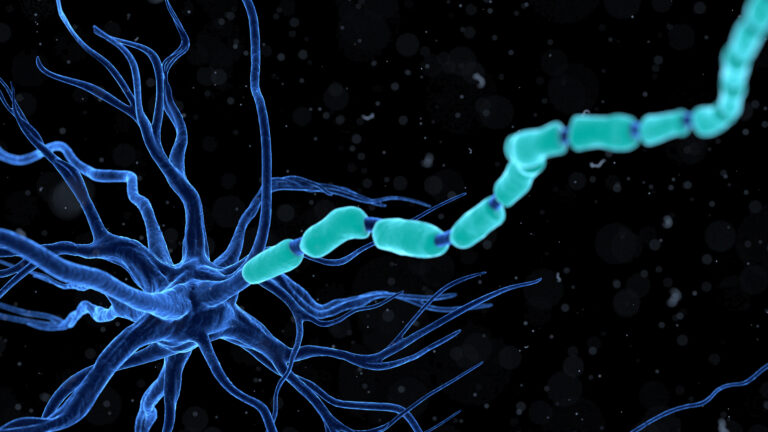
In MS, the immune system mistakenly attacks the myelin sheath, leading to demyelination and nerve damage. Healing in MS involves not only halting this immune attack but also repairing the damaged myelin and restoring nerve function. Growth factors contribute to this healing by promoting the regeneration of myelin-producing cells and supporting the survival and function of neurons.
One of the key roles of growth factors in MS healing is their involvement in the activation and differentiation of stem cells into oligodendrocytes, the cells responsible for producing myelin. Neural stem cells can be guided to become glial progenitor cells, which then mature into oligodendrocytes capable of remyelinating damaged neurons. This process is vital for restoring nerve conduction and preventing further neurological decline. Research has shown that producing large numbers of these glial progenitor cells from pluripotent stem cells is possible, and these cells have demonstrated effectiveness in remyelinating neurons in animal models of demyelination. This approach is being developed as a potential treatment strategy to stabilize MS progression and restore lost function.
Mesenchymal stem cells (MSCs), another type of stem cell found in bone marrow and other tissues, also secrete growth factors that modulate immune responses and promote tissue repair. For example, MSCs release transforming growth factor beta (TGF-β), which plays a significant role in inducing regulatory T cells (Tregs). These Tregs help limit the activation of harmful lymphocytes that drive inflammation in MS. By promoting an anti-inflammatory environment, growth factors from MSCs can reduce immune-mediated damage and support healing.
However, the role of MSCs in MS is complex. In some cases, particularly in secondary progressive MS, MSCs from patients may paradoxically increase proinflammatory T-cell activity, which can worsen disease progression. This suggests that the balance and source of growth factors are critical, and therapeutic strategies must carefully consider how to harness their beneficial effects while minimizing potential adverse immune activation.
Beyond immune modulation and remyelination, growth factors also support neuronal survival and axonal repair. Some growth factors enhance the resilience of neurons to injury and promote the regeneration of nerve fibers, which is essential for functional recovery. For example, certain growth factors can stimulate the production of bone morphogenetic protein 2 (BMP2), which, while primarily known for its role in bone healing, also influences neural repair processes.
In addition to their direct effects on cells, growth factors can influence the microenvironment within the central nervous system to favor healing. They can enhance the migration and proliferation of progenitor cells to sites of injury, facilitate the formation of new blood vessels to supply nutrients, and modulate scar formation to allow better tissue remodeling.
Therapeutic approaches aiming to leverage growth factors in MS include the use of stem cell therapies that deliver cells capable of producing these molecules, as well as drugs that stimulate endogenous production of growth factors or mimic their actions. Some MS medications may indirectly affect growth factor pathways, contributing to neuroprotection and repair beyond their immune-suppressing effects.
In summary, growth factors are central to the healing landscape in MS by promoting remyelination, modulating immune responses, supporting neuronal survival, and enhancing tissue repair mechanisms. Their complex interactions with various cell types and the immune system make them promising targets for developing more effective treatments that not only slow disease progression but also restore neurological function.