Neuroprotective drugs in multiple sclerosis (MS) are designed to protect nerve cells in the central nervous system (CNS) from damage and degeneration, which are key contributors to disability progression in MS. The evidence for their effectiveness comes from understanding the disease mechanisms, experimental models, clinical trials, and emerging therapies that target not just inflammation but also the intrinsic CNS processes such as glial cell dysfunction, oxidative stress, and neurodegeneration.
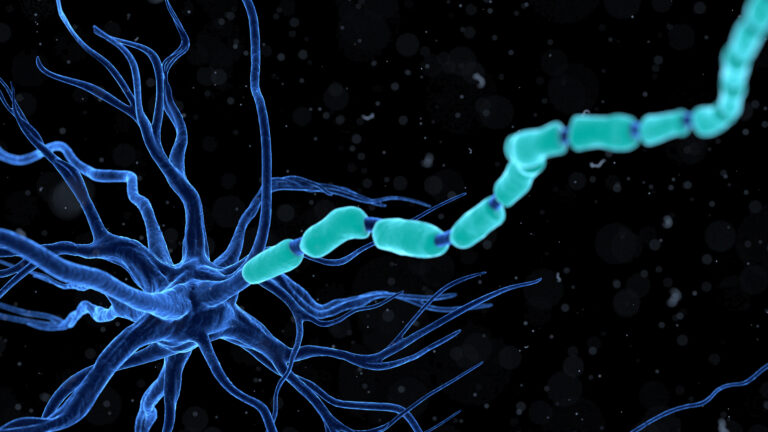
MS is characterized by immune-mediated attacks on myelin, the protective sheath around nerve fibers, leading to demyelination and axonal injury. While current disease-modifying therapies (DMTs) primarily reduce relapse rates by modulating peripheral immune responses, they do not fully prevent the ongoing neurodegeneration within the CNS. This gap has driven research into neuroprotective agents that can directly support neuronal survival, promote remyelination, and modulate harmful CNS-intrinsic processes.
One major line of evidence for neuroprotective drugs comes from neurotrophic factors, which are proteins that support neuron growth, survival, and repair. For example, brain-derived neurotrophic factor (BDNF) has been shown to promote remyelination by enhancing the recruitment and maturation of oligodendrocyte precursor cells, which are responsible for producing new myelin. Other neurotrophic factors like glial cell line-derived neurotrophic factor (GDNF), ciliary neurotrophic factor (CNTF), and heparin-binding epidermal growth factor (HB-EGF) have demonstrated potential in protecting neurons and modulating glial cell behavior to reduce inflammation and promote repair. These factors act by shifting glial cells such as astrocytes and microglia toward protective phenotypes, which helps limit neuroinflammation and supports tissue regeneration.
Another promising group of neuroprotective agents includes antioxidants and anti-inflammatory compounds that reduce oxidative stress, a major driver of neuronal damage in MS. Carotenoids, naturally occurring pigments found in fruits and vegetables, have shown neuroprotective effects by neutralizing reactive oxygen species (ROS), preserving mitochondrial function, and preventing lipid peroxidation in nerve cells. Specific carotenoids like astaxanthin, lycopene, β-carotene, crocin, and lutein have been studied for their ability to suppress inflammatory pathways, reduce pro-inflammatory cytokines, and promote immune regulation by enhancing regulatory T cell activity. This immune modulation helps reduce the harmful Th1 and Th17 immune responses that contribute to MS pathology.
Experimental models of MS, such as experimental autoimmune encephalomyelitis (EAE), have been instrumental in testing neuroprotective drugs. For instance, sodium channel blockers like flecainide have shown beneficial effects in EAE by reducing neuronal excitotoxicity and improving blood-brain barrier integrity. Similarly, PARP inhibitors such as niraparib have demonstrated potential in reducing inflammation and protecting neurons in preclinical studies.
Beyond these, emerging therapies targeting metabolic and signaling pathways involved in neurodegeneration are under investigation. Drugs modulating the kynurenine pathway, which influences neuroinflammation and neurotoxicity, are being developed to restore balance and protect neurons. Additionally, research into epigenetic modulation, such as selective demethylation to enhance expression of protective factors like HB-EGF, offers novel therapeutic avenues.
Despite these advances, translating neuroprotective strategies into effective clinical treatments remains challenging. Many neuroprotective agents have shown promise in laboratory and animal studies but require further clinical trials to confirm safety, optimal dosing, and efficacy in humans. The complexity of MS pathology, involving both immune-mediated damage and CNS-intrinsic degeneration, means that combination therapies targeting multiple mechanisms may be necessary.
In summary, the evidence for neuroprotective drugs in MS is growing and multifaceted. Neurotrophic factors, antioxidants like carotenoids, sodium channel blockers, PARP inhibitors, and modulators of neuroinflammator