Mumps and measles are both contagious viral infections, but they differ significantly in their causes, symptoms, modes of transmission, complications, and prevention methods.
**Cause:**
– Mumps is caused by the mumps virus.
– Measles is caused by the measles virus.
Both viruses belong to different families; mumps is a paramyxovirus affecting mainly salivary glands while measles is a morbillivirus primarily targeting the respiratory tract and immune system.
**Transmission:**
– Both diseases spread through respiratory droplets when an infected person coughs, sneezes, talks or breathes.
– Measles virus can linger in the air or on surfaces for up to two hours after an infected person leaves an area, making it extremely contagious even if you enter a room later. Mumps spreads similarly but tends to be less contagious than measles.
**Incubation Period:**
– For mumps, symptoms typically appear 16–18 days after exposure (range 12–25 days).
– For measles, symptoms usually begin 7–14 days post-infection but can take up to 21 days.
**Symptoms:**
*Mumps* primarily causes:
– Swelling and pain of one or both parotid salivary glands (located near the jawline below ears), leading to puffy cheeks and jaw pain. This swelling usually lasts about a week.
– Fever
– Headache
– Muscle aches
Less commonly: fatigue and loss of appetite.
*Measles* begins with:
– High fever (often above 101°F/38°C) lasting several days
– Cough
– Runny nose
– Red watery eyes (conjunctivitis)
After these initial signs appear for about 3–5 days comes:
– A characteristic red rash that starts on the face at hairline then spreads downward over body limbs within several days
– Koplik spots—tiny white spots inside the mouth—appear before rash onset
Other possible symptoms include sore throat and sensitivity to light.
**Complications:**
*Mumps* complications can include:
– Inflammation of testicles in males past puberty (orchitis), which may rarely affect fertility
– Inflammation of ovaries or breasts in females
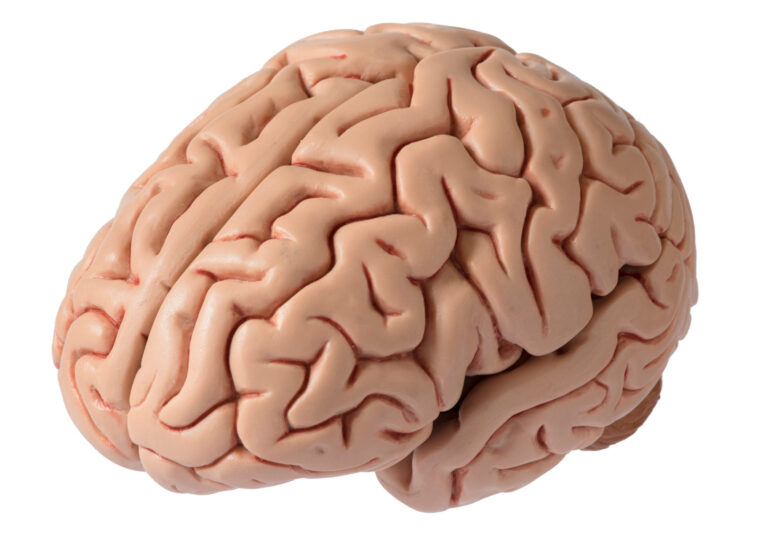
– Meningitis or encephalitis (brain inflammation) though rare
*Measles* complications tend to be more severe especially in young children under five years old or adults over twenty years old:
– Pneumonia — serious lung infection common cause of death from measles worldwide
– Encephalitis — swelling of brain causing seizures or permanent brain damage
– Severe diarrhea leading to dehydration
– Ear infections causing hearing loss
Pregnant women with measles risk miscarriage or premature birth.
**Prevention:**
Both diseases are preventable through vaccination using combined vaccines such as MMR (measles-mumps-rubella). The vaccine is highly effective when given as two doses during childhood; it provides immunity against all three viruses including rubella. Vaccination not only protects individuals but also helps achieve herd immunity reducing outbreaks.
Because both illnesses spread easily via airborne droplets and contaminated surfaces touching face/mouth/nose after contact with these droplets increases risk too; good hygiene practices like frequent handwashing help reduce transmission alongside vaccination efforts.
In summary:
| Aspect | Mumps | Measles |
|——————-|—————————————-|——————————————|
| Virus | Mumps virus | Measles virus |
| Transmission | Respiratory droplets | Respiratory droplets + airborne particles lingering up to 2 hours |
| Incubation Period | ~16–18 days | ~7–14 days |
| Key Symptoms | Swollen salivary glands near jawline | High fever + cough + runny nose + red eyes followed by spreading rash & Koplik spots |