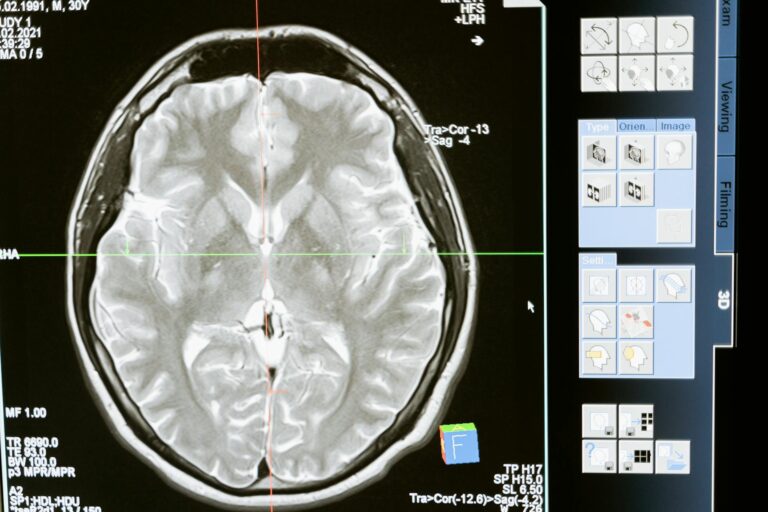
Temporal lobe atrophy refers to the shrinking or loss of brain tissue in the temporal lobes, which are located on the sides of the brain near the temples. This condition involves the progressive deterioration of neurons and brain structures in these areas, leading to a reduction in their size and function. The temporal lobes play a crucial role in processing sensory input, language, memory, and emotional responses, so atrophy here can significantly impact these abilities.
One of the most common causes of temporal lobe atrophy is frontotemporal dementia (FTD), a progressive brain disease that primarily affects the frontal and temporal lobes. In FTD, the neurons in these lobes gradually die, causing the lobes to shrink. This shrinkage, or atrophy, disrupts normal brain functions such as behavior, language, and executive functions like planning and decision-making. Symptoms of FTD can include changes in personality, loss of empathy, apathy, disinhibition, and difficulties with language and memory. The disease often begins in middle age but can vary widely in its presentation and progression[1][2][3].
Temporal lobe atrophy can also be seen in other conditions, such as Alzheimer’s disease, where the temporal lobes are affected by the buildup of abnormal proteins leading to memory loss and cognitive decline. Additionally, repeated head injuries, as seen in chronic traumatic encephalopathy (CTE), can cause progressive damage and atrophy in the temporal lobes, resulting in symptoms like memory problems, mood changes, and impaired thinking[4][5].
Diagnosis of temporal lobe atrophy typically involves brain imaging techniques such as MRI scans, which can reveal the extent and pattern of brain tissue loss. Early in the disease, scans might appear normal, but over time, the atrophy becomes more evident. The pattern of atrophy can help differentiate between various types of dementia and brain disorders[3].
Because the temporal lobes are involved in many critical brain functions, atrophy in this area can lead to a wide range of symptoms depending on which parts are most affected. These may include difficulties with speech and language, memory loss, changes in behavior and personality, and problems with emotional regulation. The progression and severity of symptoms depend on the underlying cause and how much brain tissue is lost.
Sources
https://stacker.com/stories/health/early-signs-frontotemporal-dementia
https://ktvz.com/stacker-science/2025/10/23/the-early-signs-of-frontotemporal-dementia/
https://en.wikipedia.org/wiki/Frontotemporal_dementia
https://www.dementia.org.au/about-dementia/chronic-traumatic-encephalopathy-cte-dementia
https://www.carehome.co.uk/advice/rare-types-of-dementia