Spastic diplegia cerebral palsy is a form of cerebral palsy characterized primarily by muscle stiffness (spasticity) that affects the legs more than the arms. It is a neurological disorder caused by damage to the brain areas responsible for controlling muscle movement and coordination, typically occurring before, during, or shortly after birth. This damage leads to difficulties in muscle control, resulting in tight, stiff muscles predominantly in the lower limbs, which affects walking and posture[2][5].
Cerebral palsy (CP) itself is a lifelong condition that impairs motor function due to abnormal brain development or injury to the brain regions that regulate movement, balance, and posture. Spastic diplegia is one subtype of spastic cerebral palsy, which is the most common type of CP. The term “diplegia” means that two limbs are affected, usually both legs, while the arms and face are less severely involved or sometimes unaffected[2][4][5].
### Causes and Risk Factors
Spastic diplegia cerebral palsy results from brain injury or abnormal brain development that disrupts the communication between the brain and muscles. The damage often involves the motor cortex or the white matter pathways that control leg movement. Causes can include:
– **Prenatal factors:** Infections during pregnancy, genetic abnormalities, or exposure to toxins can interfere with brain development.
– **Perinatal factors:** Complications during labor and delivery such as lack of oxygen (hypoxia), premature birth, or trauma can cause brain injury.
– **Postnatal factors:** Infections, head injuries, or other medical conditions in infancy may also contribute[2][3][5].
Premature infants and those with very low birth weight are at higher risk. Other risk factors include blood clotting disorders, infections, and chemical exposure during pregnancy[2].
### Symptoms and Signs
The hallmark of spastic diplegia is **spasticity**—muscle stiffness that makes movement difficult. Common signs include:
– **Toe walking:** Tight calf muscles pull the heels off the ground, causing the child to walk on their toes.
– **Scissoring gait:** The legs cross over each other while walking due to tight hip adductor muscles.
– **Muscle stiffness and weakness:** Primarily in the legs, leading to difficulty with balance, coordination, and walking.
– **Delayed motor milestones:** Children may take longer to learn to crawl, stand, or walk.
– **Normal or near-normal intelligence:** Unlike some other forms of CP, cognitive function is often unaffected in spastic diplegia[1][2][4][5].
Some children may also experience mild involvement of the arms or have difficulties with fine motor skills, but this is less common.
### Diagnosis
Diagnosis is based on clinical evaluation of motor function and muscle tone, along with medical history and developmental milestones. Imaging studies such as MRI can reveal brain abnormalities consistent with CP. Early diagnosis is important to start interventions that improve function and quality of life[5].
### Treatment and Management
There is no cure for spastic diplegia cerebral palsy, but various treatments can help manage symptoms and improve mobility:
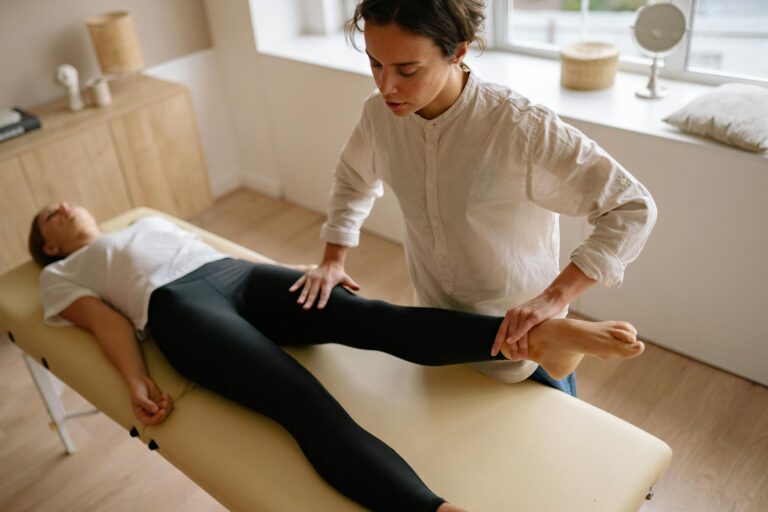
– **Physical therapy:** To stretch tight muscles, improve strength, and enhance motor skills.
– **Occupational therapy:** To assist with daily activities and fine motor skills.
– **Medications:** Muscle relaxants like baclofen or botulinum toxin injections can reduce spasticity.
– **Ort