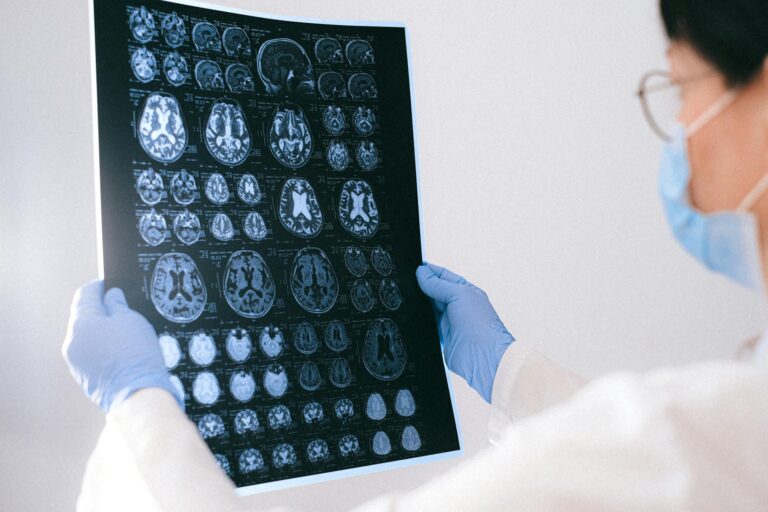
Hemiplegic cerebral palsy is a type of cerebral palsy (CP) that affects movement and muscle control on **one side of the body**, typically involving one arm and one leg on the same side. It is a permanent neurological disorder caused by damage to the developing brain, usually occurring before, during, or shortly after birth. This damage affects the brain areas responsible for controlling motor functions on the opposite side of the body, leading to weakness, stiffness, or paralysis on one side, a condition known as hemiplegia[1][2].
Cerebral palsy itself is a group of non-progressive disorders that impair movement, posture, and coordination due to abnormal brain development or injury to the brain early in life. It is important to note that while the brain damage is permanent, the symptoms do not worsen over time, although they may change as the child grows[1][2][3].
### Causes of Hemiplegic Cerebral Palsy
The most common cause of hemiplegic cerebral palsy is **perinatal stroke**, which is a stroke occurring around the time of birth. This stroke leads to damage in one hemisphere of the brain, which controls the opposite side of the body. Other causes include:
– Lack of oxygen to the brain (hypoxia)
– Brain infections
– Bleeding in the brain
– Genetic factors
– Complications during pregnancy or delivery
– Premature birth or low birth weight[3][5]
In many cases, the exact cause remains unknown, but these factors increase the risk of developing hemiplegic CP.
### Symptoms and Characteristics
Children with hemiplegic cerebral palsy typically show symptoms on one side of the body, which may include:
– **Muscle stiffness (spasticity)** or increased muscle tone, causing tightness and difficulty moving the affected limbs
– **Weakness or paralysis** on one side, affecting arm and leg movement
– Difficulty with fine motor skills such as grasping objects or writing
– Delays in motor milestones like crawling or walking on the affected side
– Possible difficulties with balance and coordination
– Sometimes mild delays in speech or language development, though intelligence is usually normal[1][3][4]
The severity of symptoms can vary widely. Some children may have mild weakness, while others experience significant impairment that affects daily activities.
### Types of Cerebral Palsy and Where Hemiplegic Fits
Cerebral palsy is classified based on the type of muscle tone abnormality and the limbs affected:
| Type of CP | Description | Muscle Tone Characteristics |
|———————|———————————————————————————————-|———————————————-|
| Spastic Hemiplegia | Affects one side of the body (arm and leg) | Hypertonia (stiff, tight muscles) |
| Spastic Diplegia | Mainly affects both legs, arms less affected | Hypertonia |
| Spastic Quadriplegia | Affects all four limbs and often the trunk, face, and mouth | Hypertonia, often severe |
| Dyskinetic CP | Involuntary, slow, twisting movements | Mixed hypertonia and hypotonia |
| Ataxic CP | Problems with balance and coordination | Hypotonia (low muscle tone) |
| Mixed Types | Combination of the above | Varies |
Hemi