Frontal lobe atrophy is a condition where the front part of the brain, called the frontal lobe, starts to shrink or lose tissue. This area is important for many things like making decisions, controlling emotions, planning, and managing behavior. When it shrinks, these abilities can be affected.
The frontal lobe is one of the largest parts of the brain. It helps with things like thinking, problem solving, and social skills. When atrophy happens, people may notice changes in their personality, mood, or the way they act. They might become less interested in activities, have trouble making choices, or act in ways that seem out of character.
Frontal lobe atrophy can be caused by different things. One common cause is a group of diseases called frontotemporal dementia. In this condition, the brain cells in the frontal and temporal lobes break down over time. This leads to shrinking and loss of function. Other causes can include aging, certain brain injuries, or other neurological conditions.
Symptoms of frontal lobe atrophy can vary. Some people may become more withdrawn or lose motivation. Others might have trouble with memory, planning, or controlling their impulses. Changes in eating habits or repeating the same actions over and over can also happen. These symptoms can be mild at first but tend to get worse as the atrophy progresses.
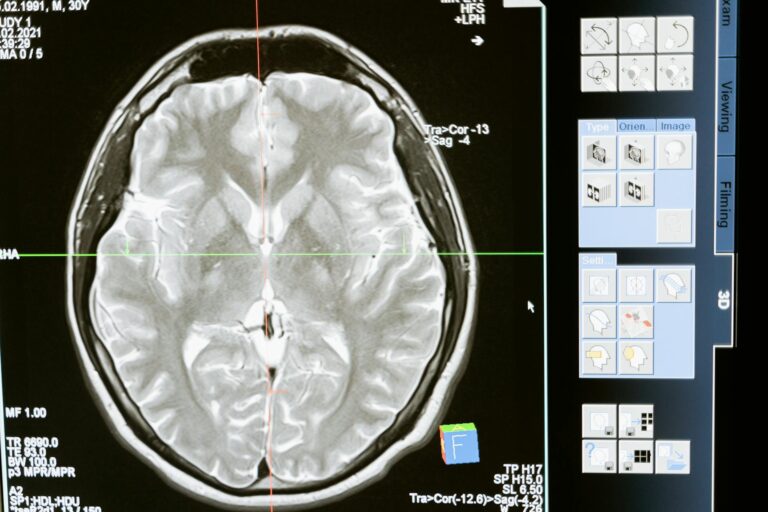
Doctors often use brain scans like MRI to see if there is atrophy in the frontal lobe. These scans can show if the brain tissue has shrunk and help figure out the cause. Treatment usually focuses on managing symptoms and supporting the person’s daily life. There is no cure for most causes of frontal lobe atrophy, but early diagnosis can help with planning and care.
https://imaging-cro.biospective.com/our-innovations/brain-atrophy-in-ftd
https://stacker.com/stories/health/early-signs-frontotemporal-dementia
https://ktvz.com/stacker-science/2025/10/23/the-early-signs-of-frontotemporal-dementia/
https://en.wikipedia.org/wiki/Frontotemporal_dementia
https://www.carehome.co.uk/advice/rare-types-of-dementia