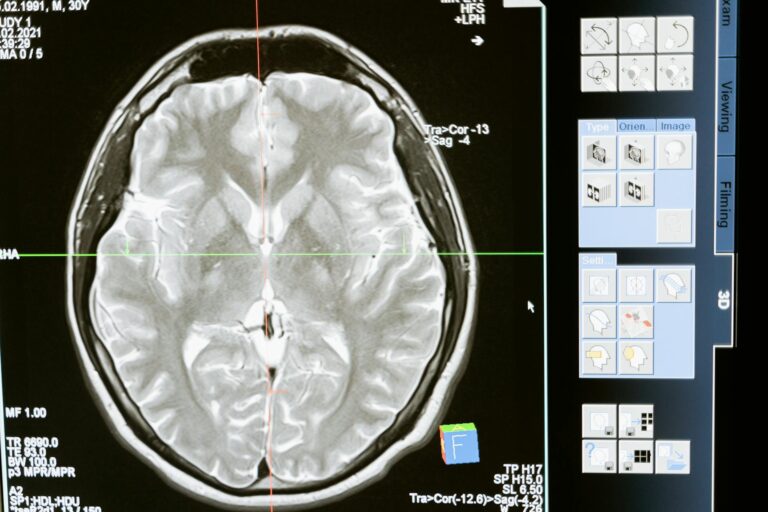
Encephalomalacia is a medical condition where brain tissue becomes soft and breaks down. The term comes from Greek words that literally mean “softening of the brain.” This happens when brain cells die and the tissue degenerates, usually because the brain is not getting enough blood flow or oxygen.
The condition occurs as a result of some kind of injury or damage to the brain. Most commonly, encephalomalacia develops after a stroke or other event that cuts off blood supply to part of the brain. When brain tissue does not get enough oxygen, the cells die and the tissue turns into a liquid-like substance. This process is called liquefactive necrosis. Once this happens, the damage is permanent. The brain cannot repair itself or regrow the lost tissue.
Doctors classify encephalomalacia into three different types based on what the affected brain tissue looks like. Red encephalomalacia appears in areas where bleeding has occurred and blood has mixed with the dead tissue. White encephalomalacia, also called leukoencephalomalacia, happens in the white matter of the brain when ischemic necrosis occurs. Yellow encephalomalacia develops in cases that have been going on for a long time, where the tissue has been degenerating slowly and takes on a yellow color.
The symptoms and effects of encephalomalacia depend on where in the brain the damage is located and how much tissue has been affected. A person might experience confusion, memory problems, difficulty moving parts of their body, or changes in how they think and behave. Some people have seizures. The specific problems depend entirely on which brain region has been damaged.
Encephalomalacia is not a common condition, especially in adults. Most cases that doctors write about in medical literature involve infants and children. When it does occur in adults, it usually follows a stroke or other event that stops blood flow to the brain. Physical trauma can also cause encephalomalacia, though this is less common than cerebrovascular events.
There is no cure for encephalomalacia because the brain tissue that has been lost cannot be replaced. However, doctors can help manage the symptoms and try to prevent further damage. Treatment focuses on addressing the underlying cause, managing any complications, and helping the person cope with any neurological problems that result from the brain damage.
The condition is considered a serious neurological problem. Without proper treatment of the underlying cause, encephalomalacia can lead to temporary or permanent brain damage and severe neurological problems. This is why it is important for people who have had a stroke, head injury, or other brain event to get medical attention right away.
Sources
https://www.dictionary.com/browse/encephalomalacia
https://pmc.ncbi.nlm.nih.gov/articles/PMC12571115/
https://www.webmd.com/brain/what-is-encephalopathy
https://www.braininjurylawofseattle.com/encephalomalacia-head-trauma/
https://www.youtube.com/watch?v=ixnIN6Hi-Lc
https://www.joyelawfirm.com/personal-injury-lawyer/brain-injury/closed-head-injuries/