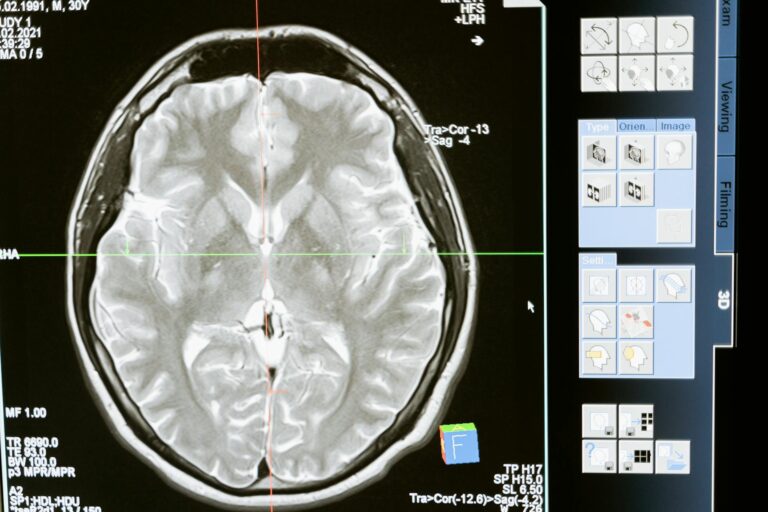
Chronic microvascular ischemic disease is a condition that affects the small blood vessels in the brain. Over time, these tiny vessels become damaged or narrowed, which reduces blood flow and oxygen supply to brain tissue. This damage is often linked to aging, high blood pressure, diabetes, and other conditions that affect blood vessels. The reduced blood flow can cause changes in the brain’s white matter, which is the part responsible for communication between different brain regions.
People with chronic microvascular ischemic disease may experience symptoms such as memory problems, difficulty concentrating, trouble walking, or balance issues. These symptoms develop gradually and can sometimes be mistaken for normal aging. In more severe cases, the disease can contribute to cognitive decline or increase the risk of stroke.
Doctors usually detect this condition through brain imaging tests like MRI or CT scans, which show characteristic changes in the brain’s white matter. These changes are often described as “small vessel ischemic changes” or “white matter hyperintensities.” While there is no cure, managing risk factors such as controlling blood pressure, diabetes, and cholesterol can help slow the progression of the disease.
Treatment focuses on preventing further damage by improving overall vascular health. This may include lifestyle changes like a healthy diet, regular exercise, quitting smoking, and taking medications as prescribed. Rehabilitation therapies can also help manage symptoms related to balance or cognitive function.
Sources
https://www.physiotattva.com/blog/cerebrovascular-accident-causes-symptoms-and-treatment
https://int.livhospital.com/what-is-a-brain-infarct-causes-types-and-key-definitions-explained/
https://www.droracle.ai/articles/484939/what-are-the-next-steps-in-managing-a-patient
https://www.droracle.ai/articles/523320/what-does-moderate-small-vessel-ischemic-changes-on-a