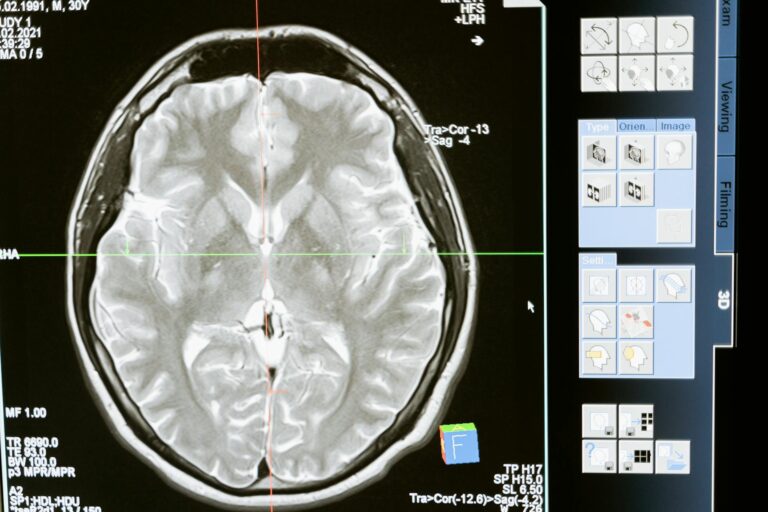
Hippocampal shrinkage refers to the reduction in size or volume of the hippocampus, a critical part of the brain located in the medial temporal lobe. The hippocampus plays a key role in forming new memories, consolidating short-term memories into long-term ones, and helping with spatial navigation. When the hippocampus shrinks, it often means there is a loss of neurons or brain tissue in this area, which can affect memory and cognitive functions.
This shrinkage is commonly seen in conditions such as Alzheimer’s disease and other forms of dementia, where it is one of the earliest signs of brain damage. People with hippocampal shrinkage may experience symptoms like short-term memory loss, difficulty forming new memories, and disorientation. The shrinkage can also result from other causes such as oxygen deprivation (hypoxia), infections like encephalitis, or epilepsy affecting the medial temporal lobe. In cases where both sides of the hippocampus are severely damaged, individuals may suffer from anterograde amnesia, which is the inability to create new memories after the damage occurs[1][2].
Hippocampal atrophy, another term for shrinkage, is often measured using MRI scans in research and clinical settings. Studies show that this shrinkage progresses over time in diseases like temporal lobe epilepsy and Alzheimer’s, and it correlates with worsening cognitive symptoms. The degree of shrinkage can also be influenced by genetic factors and lifestyle. For example, physical inactivity can reduce the production of brain-derived neurotrophic factors (BDNF), which support neuron growth and survival in the hippocampus, potentially accelerating shrinkage[3][5][6].
Besides disease, normal aging also involves some hippocampal shrinkage, but this is usually mild and does not severely impact daily functioning. However, when shrinkage is more pronounced, it may indicate mild cognitive impairment (MCI), a transitional stage between normal aging and dementia. In MCI, memory problems are noticeable but do not yet interfere significantly with daily life. The rate of hippocampal shrinkage can help predict the progression from MCI to dementia[2][5].
Other factors linked to brain shrinkage include blood pressure variability, which has been associated with nerve cell injury and neurodegeneration in older adults. This suggests that maintaining stable cardiovascular health might help protect the hippocampus and overall brain volume[8].
Sources
https://en.wikipedia.org/wiki/Hippocampus
https://www.myalzteam.com/resources/what-is-mild-cognitive-impairment
https://pmc.ncbi.nlm.nih.gov/articles/PMC12603362/
https://www.naturalremedieshumanhealth.com/reasons-for-memory-loss/
https://economictimes.com/news/new-updates/dementia-can-start-in-your-legs-bengaluru-neurosurgeon-explains-how-inactive-muscles-can-trigger-cognitive-decline/articleshow/124686778.cms
https://www.hcplive.com/view/blood-pressure-variability-may-lead-to-neurodegeneration-and-brain-shrinkage-in-older-adults