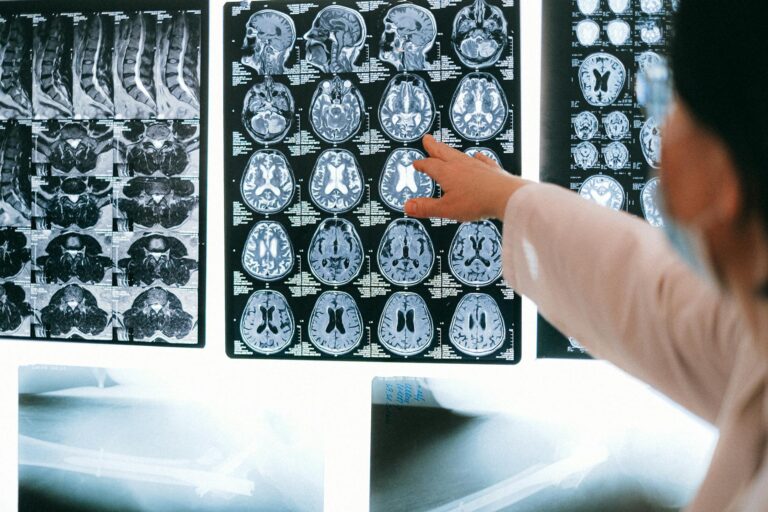
**Cognitive reserve** is a concept that explains why some people can maintain normal cognitive functioning despite brain aging, injury, or disease. It acts like a mental buffer or savings account that helps the brain adapt and compensate when faced with damage or decline. This means that two people with similar brain pathology might show very different levels of cognitive symptoms because one has a higher cognitive reserve that allows them to cope better with the damage.
At its core, cognitive reserve reflects the brain’s ability to use its networks more efficiently or flexibly, or to recruit alternative networks when usual pathways are impaired. It is not a fixed trait but rather a dynamic capacity shaped by a lifetime of experiences, education, lifestyle, and mental activity. People with higher cognitive reserve can often perform cognitive tasks better or longer, even when their brains show signs of aging or disease.
The idea of cognitive reserve emerged from observations that some elderly individuals had brains that looked severely damaged under a microscope but showed no signs of dementia or cognitive decline during life. This suggested that something beyond brain structure was protecting their cognitive function. Researchers now understand that cognitive reserve involves both the brain’s structural resources (like neuron count and synaptic density) and functional strategies (how the brain processes information).
**How to build cognitive reserve?**
Building cognitive reserve is a lifelong process that involves engaging in activities and adopting habits that stimulate and challenge the brain. Here are the main ways to build and maintain cognitive reserve:
– **Education:** Formal education is one of the strongest contributors to cognitive reserve. Years spent learning, reading, and problem-solving help develop neural networks and cognitive strategies that can be drawn upon later in life.
– **Lifelong learning:** Continuing to learn new skills, languages, or hobbies throughout life keeps the brain active and adaptable. This ongoing intellectual engagement promotes brain plasticity, the ability to reorganize and form new connections.
– **Mentally stimulating activities:** Activities like puzzles, reading, playing musical instruments, or engaging in complex games challenge the brain and encourage flexible thinking.
– **Social engagement:** Maintaining strong social connections and participating in group activities stimulate cognitive functions such as memory, attention, and language. Social interaction also reduces stress and depression, which can negatively affect cognition.
– **Physical exercise:** Regular physical activity improves blood flow to the brain, supports the growth of new neurons, and enhances brain plasticity. Exercise also reduces inflammation and the risk of diseases that can impair cognition.
– **Healthy lifestyle:** A balanced diet, adequate sleep, stress management, and avoiding harmful habits like smoking or excessive alcohol consumption support overall brain health.
– **Occupational complexity:** Jobs that require problem-solving, decision-making, and continuous learning contribute to cognitive reserve by challenging the brain regularly.
The benefits of cognitive reserve are not limited to delaying the onset of dementia symptoms but also extend to better coping with other brain-related conditions such as multiple sclerosis or brain injuries. People with higher cognitive reserve tend to show more efficient brain activation patterns and require fewer brain resources to perform cognitive tasks, indicating a more flexible and resilient brain.
It is important to note that cognitive reserve does not prevent brain damage or disease but helps the brain compensate for it, often delaying the appearance of symptoms. However, when symptoms do appear in individuals with high cognitive reserve, they may progress more rapidly because the underlying brain damage is more advanced by the time it becomes noticeable.
In essence, cognitive reserve is like a mental toolkit built over a lifetime. The richer and more diverse the toolkit, the better the brain can adapt to challenges. This makes investing in education, mental and physical activity, and social connections crucial for maintaining cognitive health throughout life.