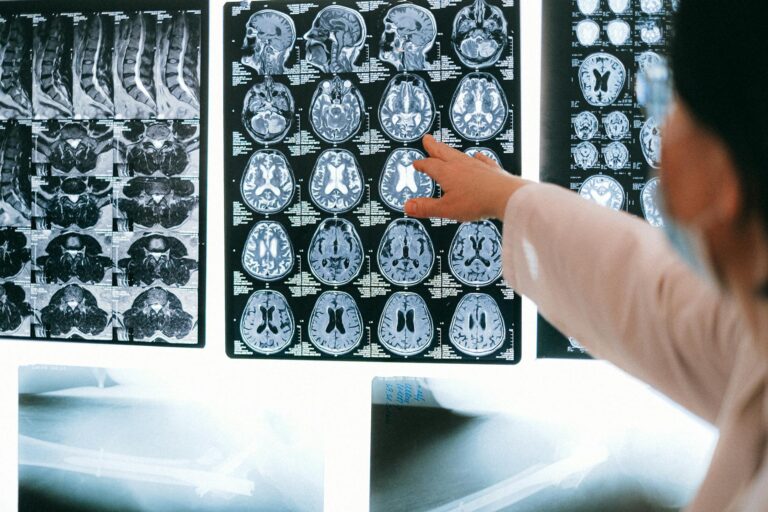
Tay-Sachs disease is caused by a genetic mutation that leads to a deficiency of a critical enzyme called beta-hexosaminidase A. This enzyme is responsible for breaking down a fatty substance known as GM2 ganglioside in the brain and spinal cord. When the enzyme is missing or not functioning properly, GM2 ganglioside accumulates to toxic levels inside nerve cells, causing progressive damage and neurodegeneration.
The root cause lies in mutations in the HEXA gene, which provides instructions for making the alpha subunit of the beta-hexosaminidase A enzyme. These mutations disrupt the production or function of the enzyme, preventing it from effectively breaking down GM2 ganglioside. As a result, the fatty substance builds up inside lysosomes—specialized compartments within cells that digest and recycle waste materials—leading to what is called a lysosomal storage disorder.
Tay-Sachs is inherited in an autosomal recessive pattern, meaning a child must inherit two defective copies of the HEXA gene (one from each parent) to develop the disease. Parents who carry one mutated gene copy typically do not show symptoms but can pass the mutation to their children. The severity and onset of Tay-Sachs disease depend on how much functional enzyme is produced. In the classic infantile form, enzyme activity is almost completely absent, leading to rapid and severe neurological decline starting in infancy. In later-onset forms, some enzyme activity remains, resulting in milder symptoms and slower progression.
The accumulation of GM2 ganglioside primarily affects nerve cells in the brain and spinal cord, disrupting normal cell function and leading to cell death. This causes the characteristic symptoms of Tay-Sachs, including muscle weakness, loss of motor skills, seizures, vision and hearing loss, and cognitive decline. The disease is fatal, typically in early childhood for the infantile form.
At the cellular level, the problem begins with the lysosome’s inability to break down GM2 ganglioside due to the missing or defective beta-hexosaminidase A enzyme. Lysosomes act as the cell’s recycling centers, digesting unwanted molecules. When this process fails, the toxic buildup interferes with normal cellular activities, especially in neurons, which are highly sensitive to such disruptions. This leads not only to cell death but also to abnormal brain development and neurodegeneration.
Research has shown that even small increases in enzyme activity can significantly delay symptom onset and improve quality of life, which is why gene-editing therapies aiming to correct the HEXA gene mutation are being explored. These therapies seek to restore some enzyme function, reducing GM2 ganglioside accumulation and slowing disease progression.
Certain populations, such as Ashkenazi Jews of Eastern and Central European descent, have a higher carrier frequency of HEXA mutations, making Tay-Sachs more common in these groups. However, the disease can occur in any ethnic group.
In summary, Tay-Sachs disease is caused by inherited mutations in the HEXA gene that lead to a deficiency of the beta-hexosaminidase A enzyme. This deficiency prevents the breakdown of GM2 ganglioside, causing its toxic accumulation in nerve cells, which results in progressive neurodegeneration and the severe symptoms characteristic of the disease.