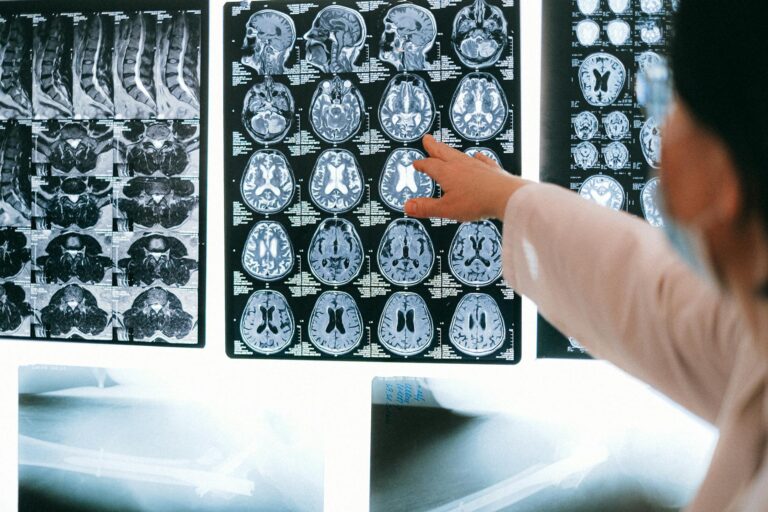
Shaken Baby Syndrome (SBS) is caused primarily by violently shaking an infant or young child, which leads to serious brain injury. When a baby is shaken forcefully, their fragile brain moves back and forth inside the skull. This violent motion can cause blood vessels in the brain to tear, leading to bleeding (subdural hematoma), swelling, and damage to brain tissue. The shaking can also cause bleeding in the eyes (retinal hemorrhages), which are common signs doctors look for in diagnosing SBS. The injury results from the brain being jolted against the inside of the skull, causing bruising, swelling, and sometimes permanent brain damage or death.
Babies are especially vulnerable because their neck muscles are weak and cannot support the heavy head, making the brain more susceptible to injury from shaking. The rapid acceleration and deceleration forces during shaking cause the brain to move violently, damaging delicate brain structures and blood vessels.
However, it is important to understand that not all cases of brain bleeding and swelling in infants are caused by shaking. Other factors can produce similar symptoms, which has complicated the diagnosis of SBS. For example, minor household accidents like a baby rolling off a couch or falling a short distance can sometimes cause brain bleeding and swelling. Premature infants or those with complicated births may have chronic subdural hematomas that can re-bleed with minimal stress. Medical conditions such as infections (meningitis or sepsis), blood clotting disorders, metabolic or genetic diseases can also cause bleeding in the brain and eyes without any trauma.
One of the key triggers for shaking is the normal pattern of infant crying. Babies typically go through a phase of increased crying starting around two weeks of age, peaking at about two months, and then gradually decreasing by five months. This crying is a normal developmental stage but can be very stressful for caregivers. Studies have shown that many cases of abusive head trauma, including shaking, occur during this period of increased crying. Frustration and inability to soothe a crying baby can lead some caregivers to shake the infant violently in an attempt to stop the crying.
The classic signs doctors look for in SBS include:
– Subdural hematoma (bleeding on the brain)
– Retinal hemorrhages (bleeding in the eyes)
– Brain swelling
These signs were once thought to conclusively prove shaking, but modern science recognizes that these symptoms can also arise from other causes. This has led to increased scrutiny of SBS diagnoses and legal cases, as some convictions were based solely on these symptoms without other evidence of abuse.
In summary, shaken baby syndrome is caused by violent shaking of an infant, which leads to brain injury through bleeding, swelling, and damage to brain tissue. The vulnerability of infants’ developing brains and neck muscles makes them particularly susceptible to this kind of injury. While shaking is the primary cause, similar symptoms can sometimes result from accidents or medical conditions, making diagnosis complex. The normal crying patterns of infants are a known trigger for shaking incidents, highlighting the importance of caregiver education and support to prevent this form of abuse.