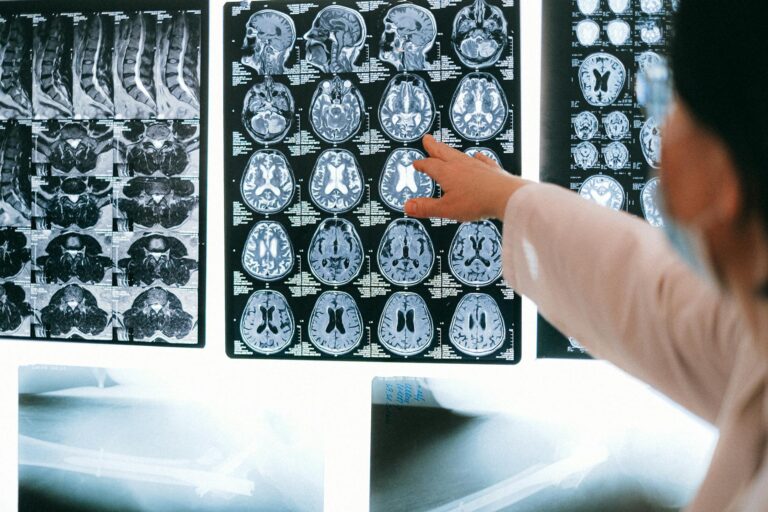
Periodic Limb Movement Disorder (PLMD) is a sleep-related movement disorder characterized by involuntary, repetitive movements of the limbs, typically the legs, during sleep. These movements often involve jerking or twitching and occur in a periodic pattern, usually every 20 to 40 seconds, lasting for several minutes to hours. The exact causes of PLMD are not fully understood, but several factors and conditions have been identified that contribute to its development.
One of the primary suspected causes of PLMD involves abnormalities in the brain’s regulation of movement during sleep. Neurochemical imbalances, particularly involving dopamine—a neurotransmitter critical for controlling muscle movement—are believed to play a significant role. Dopamine dysfunction can lead to the involuntary limb movements seen in PLMD. This is supported by the fact that medications affecting dopamine levels often influence symptoms of PLMD and related disorders.
Iron deficiency is another important factor linked to PLMD. Iron is essential for dopamine production and function in the brain. Low iron levels or iron deficiency in the central nervous system can disrupt dopamine pathways, leading to symptoms of PLMD. This connection is also observed in restless legs syndrome (RLS), a condition closely related to PLMD, where iron deficiency is a common underlying cause.
Genetics also contribute to PLMD risk. Many individuals with PLMD have a family history of the disorder or related conditions like RLS, suggesting inherited factors affect susceptibility. However, the specific genes involved are still being researched.
PLMD can occur as a primary condition with no identifiable cause (idiopathic), or it can be secondary to other medical issues. Secondary PLMD is often associated with conditions such as kidney disease, diabetes, peripheral neuropathy (nerve damage), and anemia. These health problems may disrupt normal nerve or muscle function, triggering the periodic limb movements during sleep.
Certain medications and lifestyle factors can also provoke or worsen PLMD symptoms. For example, some antidepressants, antihistamines, and other drugs can exacerbate limb movements. Sleep deprivation and poor sleep hygiene may increase the frequency or severity of movements as well.
In summary, PLMD arises from a complex interplay of neurological, biochemical, genetic, and medical factors. Dopamine dysfunction and iron deficiency are central to its pathophysiology, while secondary causes include various chronic diseases and medication effects. Understanding these causes helps guide treatment approaches aimed at restoring dopamine balance, correcting iron deficiency, and managing underlying health conditions to reduce limb movements and improve sleep quality.