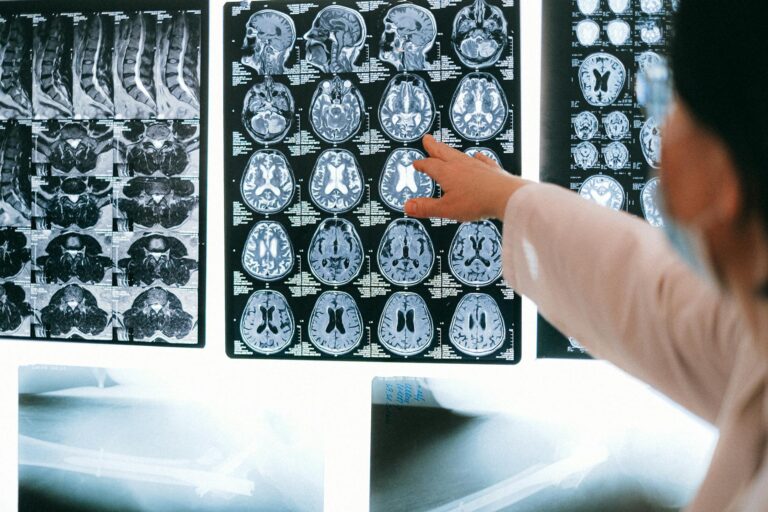
Korsakoff syndrome is caused primarily by a severe deficiency of thiamine, also known as vitamin B1. This vitamin is essential for brain function, particularly in areas involved with memory and cognition. When the body lacks enough thiamine, certain brain regions—especially the mammillary bodies and parts of the thalamus—suffer damage, leading to the symptoms characteristic of Korsakoff syndrome.
The most common cause of this thiamine deficiency is chronic alcohol abuse. Alcohol interferes with thiamine in multiple ways: it reduces the absorption of thiamine from the digestive tract, impairs its storage in the liver, and disrupts its utilization in the brain. Additionally, people who drink heavily often have poor diets that lack sufficient nutrients, further worsening the deficiency. This combination of poor nutrition and alcohol’s direct effects on thiamine metabolism creates a high risk for developing Korsakoff syndrome.
However, alcohol is not the only cause. Korsakoff syndrome can also develop in people who suffer from malnutrition due to other reasons, such as eating disorders, starvation, or medical conditions that impair nutrient absorption. For example, cancer patients undergoing chemotherapy, individuals who have had weight-loss surgery, or those with hereditary enzyme deficiencies affecting thiamine metabolism can also develop this syndrome. In all these cases, the common factor is a prolonged lack of adequate thiamine.
The syndrome often follows an acute neurological condition called Wernicke’s encephalopathy, which is also caused by thiamine deficiency. Wernicke’s encephalopathy presents with confusion, poor coordination (ataxia), and abnormal eye movements. If this condition is not treated promptly with thiamine replacement, it can progress to Korsakoff syndrome, which is a chronic and often irreversible state.
Korsakoff syndrome is marked by severe memory problems, especially an inability to form new memories or recall recent events. People with this syndrome often experience confabulation, where they unconsciously make up stories to fill gaps in their memory. Other symptoms include difficulty learning new information, disorientation, personality changes such as apathy or irritability, and problems with coordination and balance. In advanced stages, hallucinations and psychosis may occur.
The brain damage in Korsakoff syndrome results from the death of nerve cells in specific brain regions that rely heavily on thiamine. Without enough vitamin B1, the brain cannot produce the energy it needs to function properly, leading to cell injury and death. This damage disrupts the neural circuits responsible for memory formation and retrieval.
Because Korsakoff syndrome is caused by a nutritional deficiency, early diagnosis and treatment are crucial. Treatment involves immediate and high doses of thiamine, usually given intravenously, to replenish the body’s stores and prevent further brain damage. While Wernicke’s encephalopathy can sometimes be reversed with prompt treatment, Korsakoff syndrome often results in permanent cognitive impairment if not caught early.
In summary, Korsakoff syndrome arises from a severe and prolonged deficiency of thiamine, most commonly due to chronic alcohol abuse but also from other causes of malnutrition or malabsorption. The lack of this vital vitamin leads to brain damage that severely impairs memory and cognitive function, making early recognition and treatment essential to prevent lasting harm.