Intermittent Explosive Disorder (IED) is a mental health condition characterized by sudden, intense episodes of anger or aggressive behavior that are disproportionate to the situation. These explosive outbursts can involve verbal rage, physical aggression, or destructive acts, often leaving the person feeling out of control and later regretful. Understanding what causes IED involves looking at a complex mix of biological, psychological, and environmental factors.
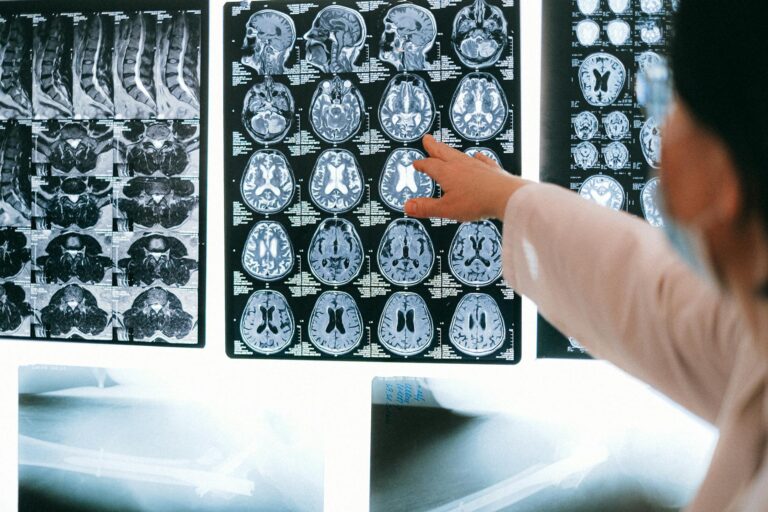
At the biological level, brain chemistry and structure play a significant role. People with IED often have abnormalities in the areas of the brain responsible for regulating emotions and impulses, such as the amygdala and prefrontal cortex. The amygdala is involved in processing emotions like fear and anger, while the prefrontal cortex helps control impulses and decision-making. When these brain regions do not function properly or communicate effectively, it can lead to difficulty managing anger and controlling aggressive impulses.
Neurotransmitters, which are chemicals that transmit signals in the brain, are also implicated. For example, low levels of serotonin, a neurotransmitter linked to mood regulation, have been associated with increased impulsivity and aggression. This imbalance can make it harder for individuals to inhibit aggressive responses, leading to sudden explosive episodes.
Genetics also contribute to the risk of developing IED. Studies suggest that the disorder can run in families, indicating a hereditary component. If a close relative has IED or related impulse-control disorders, the likelihood of developing similar symptoms increases. However, genetics alone do not determine the disorder; they interact with environmental influences.
Environmental factors are crucial in shaping the development of IED. Early life experiences such as exposure to violence, abuse, neglect, or inconsistent parenting can increase vulnerability. Children who grow up in chaotic or stressful environments may learn maladaptive ways to express anger or may have impaired emotional regulation due to trauma. These experiences can sensitize the brain’s threat response system, making individuals more prone to sudden anger outbursts.
Stressful life events and ongoing stress also trigger or worsen IED symptoms. High levels of frustration, feeling disrespected, or experiencing interpersonal conflicts can act as immediate triggers for explosive episodes. Sometimes, even minor annoyances can provoke disproportionate reactions because of the underlying difficulty in managing emotions.
Psychological factors like co-occurring mental health conditions often accompany IED. Anxiety, depression, and substance abuse are common among those with the disorder. These conditions can exacerbate emotional instability and impulsivity, creating a cycle where stress and mood problems fuel aggressive outbursts, which in turn increase feelings of guilt or shame.
Personality traits such as impulsivity, low frustration tolerance, and difficulty coping with stress are frequently observed in individuals with IED. These traits make it harder for someone to pause and think before reacting, leading to sudden, intense anger that seems to come out of nowhere.
In some cases, medical conditions or brain injuries may contribute to symptoms similar to IED. For example, traumatic brain injury, certain neurological disorders, or substance intoxication can impair emotional regulation and impulse control, mimicking or triggering explosive behavior.
In summary, the causes of Intermittent Explosive Disorder are multifaceted and involve an interplay between brain function, genetics, early life experiences, ongoing stress, psychological health, and personality factors. This complexity means that no single cause explains IED; rather, it emerges from a combination of vulnerabilities and triggers that disrupt normal emotional regulation and impulse control. Understanding these causes helps guide treatment approaches, which often include therapy to develop coping skills and sometimes medication to address underlying brain chemistry imbalances.