Inhalant abuse syndrome is caused by the repeated intentional inhalation of volatile substances that produce mind-altering effects. These substances, often found in common household products like glues, paints, aerosols, cleaning fluids, and nitrites, contain chemicals that affect the brain and body in harmful ways when breathed in. The syndrome develops as a result of both the toxic effects of these chemicals and the behavioral patterns of misuse.
The core cause of inhalant abuse syndrome lies in the chemical properties of inhalants. When inhaled, these substances rapidly enter the bloodstream through the lungs and cross into the brain, where they interfere with normal brain function. Many inhalants act as central nervous system depressants, producing feelings of euphoria, dizziness, and hallucinations. However, they also disrupt neurotransmitter systems, damage brain cells, and impair vital organs. This leads to a range of acute symptoms such as confusion, loss of coordination, slurred speech, and in severe cases, sudden death from heart failure or asphyxiation.
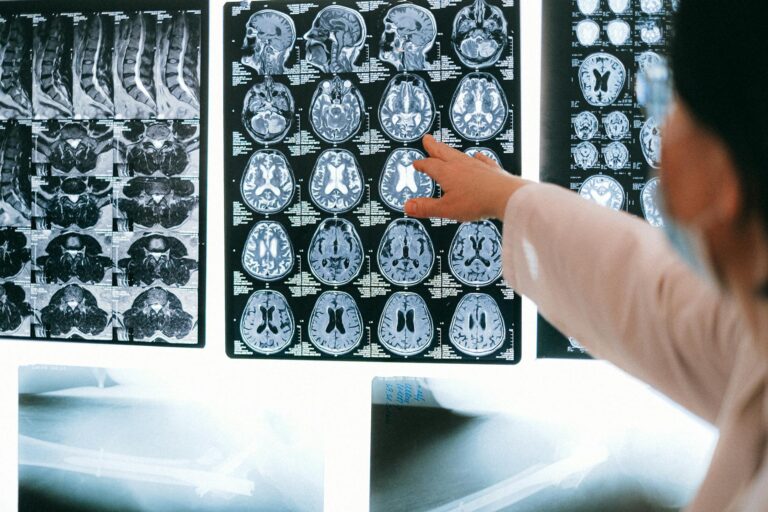
Repeated use causes the brain to adapt to the presence of these chemicals, leading to tolerance (needing more to achieve the same effect) and dependence. Over time, chronic inhalant abuse damages brain structures responsible for memory, judgment, and emotional regulation, resulting in cognitive decline, mood disorders, and behavioral changes. Users may experience persistent mental health problems like depression, anxiety, paranoia, and psychosis. Physical consequences include muscle weakness, weight loss, liver and kidney damage, and irreversible brain damage.
Several factors contribute to the development of inhalant abuse syndrome. These include:
– **Accessibility and low cost:** Many inhalants are legal household products, making them easy to obtain, especially for adolescents and young adults.
– **Lack of awareness:** Users often underestimate the dangers, believing inhalants are safer than illicit drugs.
– **Psychosocial influences:** Peer pressure, stress, trauma, and underlying mental health conditions can increase vulnerability to inhalant misuse.
– **Genetic and environmental predispositions:** Some individuals may have a genetic tendency toward substance use disorders, compounded by adverse childhood experiences or unstable home environments.
The syndrome manifests through a combination of physical, psychological, and behavioral symptoms. Physically, users may show signs like red or runny eyes, chemical odors on breath or clothing, nausea, and tremors. Psychologically, mood swings, memory problems, poor concentration, and impaired judgment are common. Behaviorally, individuals may withdraw socially, neglect responsibilities, or engage in risky activities to obtain and use inhalants.
Inhalant abuse syndrome is dangerous because the chemicals involved can cause sudden death even on first use due to cardiac arrest or suffocation. Long-term abuse leads to progressive neurological damage, making recovery difficult without intervention. The syndrome is often under-recognized because inhalants are not typical drugs of abuse and their effects can mimic other mental health disorders.
Understanding what causes inhalant abuse syndrome involves recognizing the toxic chemical effects of inhalants on the brain and body, the patterns of repeated misuse, and the social and psychological factors that drive individuals to use these substances despite the risks. The combination of these elements creates a complex condition that severely impairs health and functioning.