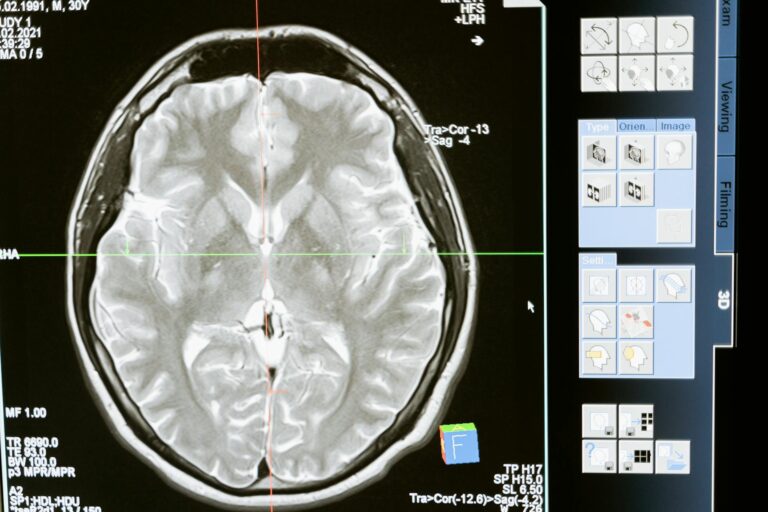
Brain fog in older adults is a common experience that can make it hard to think clearly, remember things, or focus on tasks. It is not a disease itself but a sign that something else might be going on. Many factors can lead to brain fog, and understanding them can help older adults feel better and stay sharp.
One of the main causes is lack of good quality sleep. When sleep is disrupted or not enough, the brain does not get the rest it needs to function well. This can make it harder to concentrate and remember details. Stress, anxiety, and depression are also big contributors. These mental health issues can make the brain feel tired and slow, making it difficult to pay attention or stay motivated.
Certain health conditions can also play a role. Chronic illnesses like diabetes, heart disease, and high blood pressure can affect blood flow to the brain, which can lead to foggy thinking. Autoimmune diseases such as lupus or rheumatoid arthritis can cause inflammation that impacts brain function. Thyroid problems, especially an underactive thyroid, can slow down mental processes and cause confusion.
Medications are another common cause. Many older adults take several medicines, and some of these can have side effects that affect memory and thinking. It is important to talk to a doctor about any new or worsening symptoms after starting a new medication.
Hormonal changes, such as those that happen during menopause or with aging, can also lead to brain fog. Fluctuations in hormones can affect mood, sleep, and mental clarity. Chronic pain and fatigue from long-term health issues can make it harder for the brain to work efficiently.
Infections, including long COVID, can trigger brain fog in older adults. The body’s response to infection can cause inflammation in the brain, which can disrupt normal thinking and memory. Sometimes, brain fog can be a sign of a more serious condition like delirium, especially if it comes on suddenly or is accompanied by confusion or changes in behavior.
Lifestyle factors also matter. Poor nutrition, lack of physical activity, and too much time spent on digital devices can all contribute to mental fatigue. Staying active, eating a balanced diet, and getting enough rest can help keep the brain healthy.
Sources
https://missionconnectionhealthcare.com/mental-health/cognitive-symptoms/memory-problems/
https://www.autoimmuneinstitute.org/articles/understanding-brain-fog-in-autoimmune-disease
https://www.mindbodygreen.com/articles/brain-fog-is-rising-and-its-hitting-people-under-40-hardest
https://www.hmpgloballearningnetwork.com/site/altc/case-report/recognizing-post-covid-19-brain-fog-older-adults
https://neuroinjurycare.com/pl/depression-anxiety-brain-aging/
https://www.aiarthritis.org/fatigue-brainfog
https://pmc.ncbi.nlm.nih.gov/articles/PMC12538725/
https://www.americanbrainfoundation.org/what-is-brain-fog/
https://www.tilburguniversity.edu/magazine/overview/brain-fog-marieke-van-der-schaaf