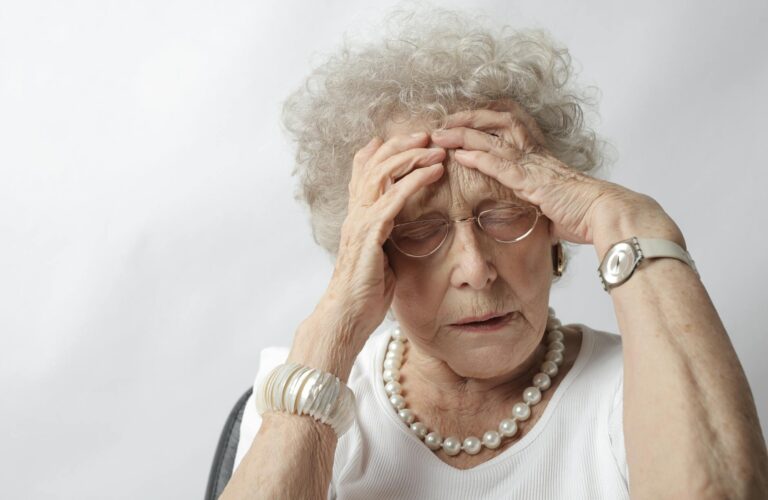
Sundowning is a term used to describe a pattern of increased confusion, agitation, and restlessness that often happens in people with dementia during the late afternoon or evening. Caregivers should know that sundowning symptoms can start subtly but may become more intense as the day goes on.
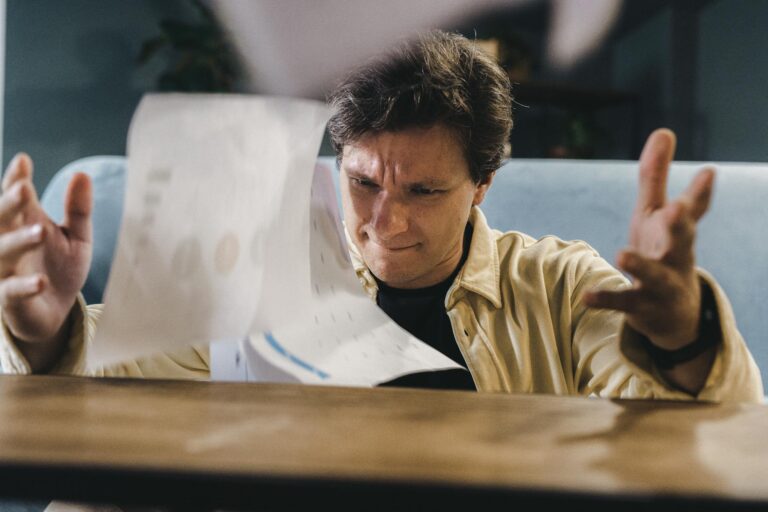
Early signs include increased confusion or disorientation, mood changes like irritability, mild anxiety or fear, restlessness such as pacing, repetitive behaviors like asking the same question repeatedly, and following caregivers around closely. As sundowning worsens, symptoms might escalate to intense agitation and pacing, paranoia or suspicion toward family members, hallucinations (seeing or hearing things that aren’t there), aggression or sudden outbursts, and wandering away from home.
These symptoms are not consistent every day; some evenings might be calmer while others are more challenging. Sundowning usually appears in middle to late stages of dementia but can vary widely between individuals.
Several factors can make sundowning worse: fatigue from a long day; hunger or dehydration; changes in daily routine; low light levels in the evening which can confuse someone with dementia; unfamiliar surroundings; lack of sunlight exposure during daytime hours; stress and overstimulation.
Caregivers can help by maintaining a calm environment with good lighting as evening approaches to reduce shadows and confusion. Keeping routines predictable helps lessen anxiety. Ensuring your loved one is well-fed and hydrated throughout the day also supports better behavior later on. Gentle activities that don’t overstimulate but keep them engaged may prevent restlessness.
It’s important for caregivers to remember each person’s experience with sundowning is unique—what helps one person may not work for another—and patience is key when trying different approaches. Being aware of these symptoms allows caregivers to prepare better for evenings when sundowning occurs so they can provide comfort and safety during difficult times without escalating distress.