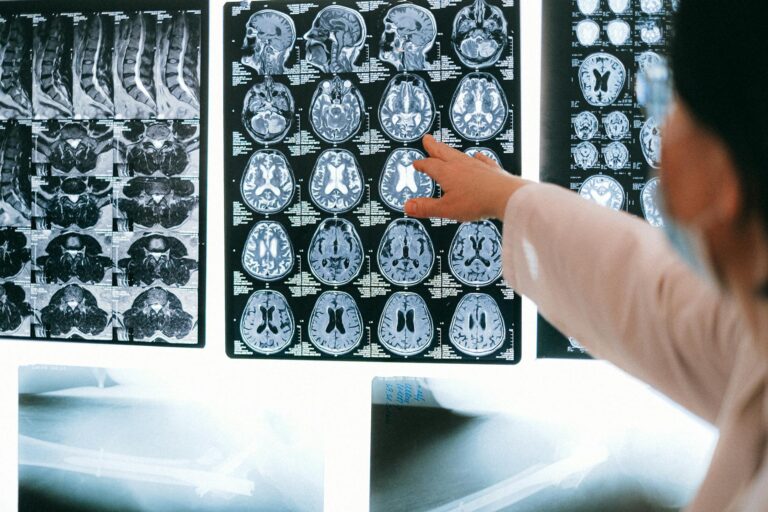
Brain reserve is a concept that refers to the brain’s physical capacity to withstand damage or pathological changes without showing clinical symptoms of cognitive decline, such as those seen in Alzheimer’s disease. It represents the structural robustness of the brain—things like brain size, number of neurons, synaptic density, and overall neural connectivity—that can help delay or reduce the impact of neurodegenerative processes.
When we talk about Alzheimer’s risk, brain reserve plays a crucial role because it acts as a buffer against the typical damage caused by this disease. Alzheimer’s is characterized by harmful changes in the brain including accumulation of beta-amyloid plaques and tau protein tangles that disrupt neuron function and lead to cell death. These pathological features cause shrinkage in critical areas like the hippocampus and cortex, which are essential for memory and cognition.
People with higher brain reserve have more “neural resources” available—more neurons or stronger connections—which means their brains can tolerate more damage before symptoms appear. For example, two individuals might have similar levels of Alzheimer’s pathology visible on scans after death; however, if one had greater brain reserve during life (due to larger brain volume or denser neural networks), they might have shown fewer cognitive problems than someone with lower reserve.
Brain reserve is often linked with factors such as genetics (natural variations in brain size), early-life nutrition, education level, intellectual engagement throughout life, physical exercise promoting healthy blood flow and neurogenesis (growth of new neurons), social interactions stimulating mental activity, and even lifestyle choices like diet quality. These elements contribute not only to building up this structural resilience but also support what scientists call *cognitive reserve*—the ability to use alternative strategies or recruit different parts of the brain when usual pathways are damaged.
The difference between *brain* reserve and *cognitive* reserve lies mainly in their nature: Brain reserve is about tangible anatomical features—the hardware—while cognitive reserve involves flexible functional adaptations—the software—that allow people to cope better despite underlying pathology.
Understanding how much brain reserve someone has can influence how we assess their risk for developing dementia symptoms from Alzheimer’s disease. A person with high reserves may remain symptom-free longer even if they carry significant amyloid plaques or tau tangles because their brains compensate effectively. Conversely, those with lower reserves may experience earlier onset or faster progression since less damage is needed before clinical signs emerge.
This idea also explains why some people diagnosed post-mortem with extensive Alzheimer’s pathology never showed noticeable memory loss during life—they simply had enough structural capacity to mask these effects for years. It highlights why interventions aimed at increasing both physical health factors that build up this neural infrastructure early on—and mental activities that enhance functional adaptability later—are vital strategies for reducing Alzheimer’s risk.
In practical terms:
– Engaging regularly in intellectually stimulating activities like reading challenging books or learning new skills helps maintain synaptic connections.
– Physical exercise promotes blood flow which nourishes neurons while encouraging growth factors supporting plasticity.
– Social interaction provides complex communication challenges fostering flexible thinking.
– Healthy diets rich in antioxidants reduce oxidative stress damaging cells.
All these contribute cumulatively toward enhancing your overall “brain power” so it can better resist degenerative insults over time.
However important it is though not everyone starts from equal footing; genetic predispositions influence baseline anatomy too—for instance some people naturally have larger brains offering greater initial reserves—but lifestyle choices throughout life strongly modulate how well these potentials translate into protection against diseases like Alzheimer’s.
In summary — without using summary words — **brain reserve** means having a physically robust nervous system capable of enduring age-related wear-and-tear plus specific damages caused by conditions such as Alzheimer’s disease before showing outward signs like memory loss or confusion. This robustness depends on both inherited traits and lifelong habits affecting neuronal quantity and quality along with supportive vascular health mechanisms feeding them properly. The greater your reservoir here—the more “hardware” you possess—the longer you might stave off dementia symptoms despite accumulating harmful proteins inside your head over decades due t