Diabetic retinopathy is a serious complication of diabetes that affects the blood vessels in the retina, leading to potential vision loss if not properly managed. The condition progresses through several stages, from mild non-proliferative diabetic retinopathy to more severe proliferative diabetic retinopathy. Effective treatment involves a combination of lifestyle changes, medical interventions, and surgical procedures.
### Lifestyle Changes
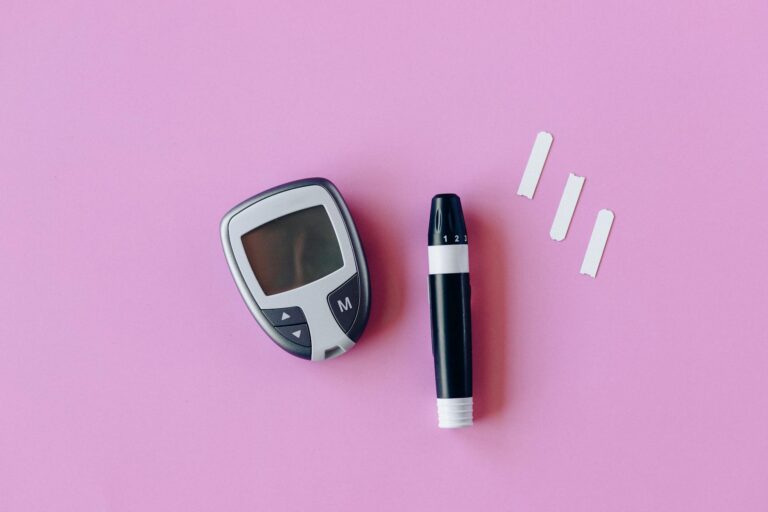
The foundation of managing diabetic retinopathy is maintaining tight control over blood sugar levels. This involves regular monitoring of glucose levels and adhering to a prescribed diabetes treatment plan. Working closely with healthcare providers, such as endocrinologists or primary care physicians, is crucial for adjusting treatment plans as needed. Additionally, adopting a healthy lifestyle can significantly impact the progression of the disease. This includes:
– **Healthy Diet**: Eating a balanced diet rich in fruits, vegetables, and whole grains helps manage blood sugar levels and supports overall health.
– **Exercise**: Regular physical activity improves insulin sensitivity and helps maintain healthy blood sugar levels.
– **Smoking Cessation**: Quitting smoking reduces the risk of complications associated with diabetes, including diabetic retinopathy.
– **Blood Pressure Management**: High blood pressure can exacerbate diabetic retinopathy, so controlling it is essential.
### Medical Treatments
For those already diagnosed with diabetic retinopathy, several medical treatments are available to prevent progression and preserve vision.
– **Anti-VEGF Injections**: These medications are used to reduce abnormal blood vessel growth and swelling in the retina. They are a first-line treatment for many cases of diabetic retinopathy and are administered directly into the eye. Common anti-VEGF drugs include ranibizumab, bevacizumab, and aflibercept.
– **Corticosteroid Injections**: While less common, corticosteroid injections can be used to decrease inflammation in the retina. However, they carry risks such as increased pressure in the eye and cataract formation.
– **Laser Treatments**: Laser therapy is used to seal leaking blood vessels and reduce fluid buildup in the retina. There are two main types of laser treatments:
– **Focal Laser Therapy**: This targets specific areas of leakage to prevent further fluid buildup.
– **Grid Laser Therapy**: Used for more widespread leakage, this method applies laser spots in a grid pattern across the affected area.
– **Panretinal Photocoagulation (PRP)**: Also known as scatter laser treatment, PRP is used to treat proliferative diabetic retinopathy by reducing the formation of new, fragile blood vessels.
### Surgical Interventions
In severe cases of diabetic retinopathy, surgical options may be necessary.
– **Vitrectomy**: This surgery involves removing the vitreous gel from the eye to clear blood and debris that may be causing vision problems. It is often performed when there is significant bleeding or retinal detachment.
### Diagnostic Techniques
Early detection of diabetic retinopathy is crucial for effective management. Several diagnostic techniques are used to identify and monitor the condition:
– **Dilated Eye Exam**: This involves using dilating eye drops to widen the pupils, allowing a comprehensive view of the retina.
– **Optical Coherence Tomography (OCT)**: OCT provides detailed cross-sectional images of the retina, helping to detect swelling or fluid accumulation.
– **Fluorescein Angiography**: This involves injecting a dye into the bloodstream to highlight blood vessels in the retina, aiding in the diagnosis and treatment planning of diabetic retinopathy.
### Importance of Regular Eye Exams
Regular eye exams are essential for individuals with diabetes, even if they do not experience symptoms. Diabetic retinopathy often progresses silently, and early detection significantly improves treatment outcomes. By combining lifestyle changes with regular monitoring and medical interventions, individuals can effectively manage diabetic retinopathy and protect their vision.