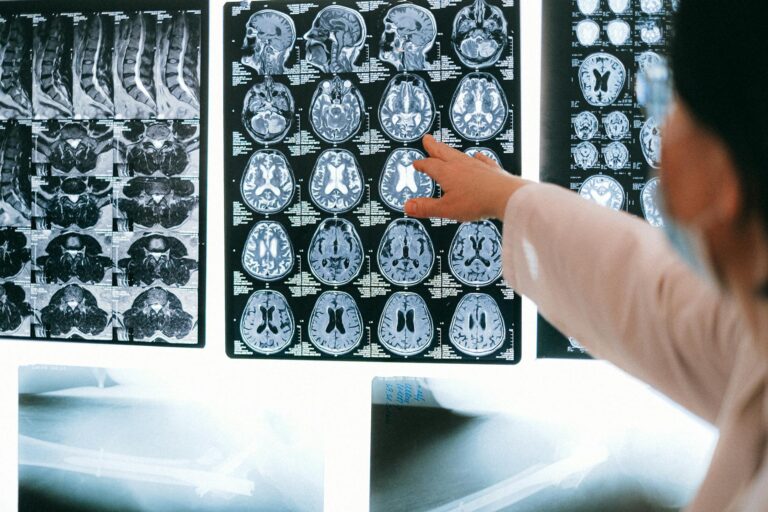
Methanol poisoning is a serious condition that occurs when methanol, a toxic alcohol, is ingested or absorbed through other means. Methanol is commonly found in industrial products like antifreeze, windshield washer fluid, and paint thinners. It can also contaminate alcoholic beverages, especially those produced illegally. Understanding the signs of methanol poisoning is crucial for early detection and treatment.
### Early Signs of Methanol Poisoning
The initial symptoms of methanol poisoning can be subtle and may resemble those of other conditions. They often include:
– **Confusion and Dizziness**: People exposed to methanol may feel disoriented or dizzy, which can be mistaken for intoxication from ethanol.
– **Extreme Fatigue**: A feeling of deep tiredness is common, which can lead to decreased activity levels.
– **Nausea and Vomiting**: These symptoms are typical of many poisonings and can be the first signs that something is wrong.
– **Abdominal Pain**: Stomach discomfort or pain can occur due to the toxic effects of methanol on the body.
These early signs can appear shortly after exposure, but they may not be immediately recognized as symptoms of methanol poisoning.
### Serious Symptoms
As methanol poisoning progresses, more severe symptoms can develop, often within 12 to 48 hours after ingestion. These include:
– **Headaches**: Severe headaches can occur due to the toxic effects on the central nervous system.
– **Seizures**: In severe cases, seizures may occur, indicating significant central nervous system involvement.
– **Coma**: In extreme cases, individuals may slip into a coma, which is a life-threatening condition.
– **Vision Problems**: Blurry vision, sensitivity to light, and even complete blindness can occur. These vision issues are among the most distinctive symptoms of methanol poisoning and can be permanent if not treated promptly.
### Long-Term Effects
If methanol poisoning is not treated effectively, it can lead to serious long-term health issues. These include:
– **Blindness**: One of the most devastating effects of methanol poisoning is permanent vision loss. Even small amounts of methanol can cause blindness.
– **Kidney Failure**: Methanol and its metabolites can damage the kidneys, leading to acute kidney failure in severe cases.
– **Neurological Damage**: Methanol can cause damage to the brain and nervous system, leading to long-term neurological problems.
### Diagnosis and Treatment
Diagnosing methanol poisoning can be challenging because its symptoms overlap with those of other conditions. However, certain tests can help identify the presence of methanol in the body. These include measuring blood levels of methanol and its metabolites, as well as checking for signs of metabolic acidosis or an increased osmol gap.
Treatment for methanol poisoning involves several strategies:
– **Antidotes**: Fomepizole is the preferred antidote for methanol poisoning. If fomepizole is not available, ethanol can be used as an alternative.
– **Hemodialysis**: This procedure is used to remove methanol and its toxic metabolites from the blood, especially in severe cases or when there is significant organ damage.
– **Supportive Care**: Patients may receive additional treatments like sodium bicarbonate to manage acidosis, folate to help metabolize formic acid, and thiamine to support overall health.
Early treatment is crucial for preventing long-term damage and improving outcomes. If you suspect someone has ingested methanol, it is essential to seek medical help immediately.
### Prevention
Preventing methanol poisoning involves avoiding exposure to methanol-containing products and being cautious about the source of alcoholic beverages. Here are some preventive measures:
– **Safe Handling of Chemicals**: Always handle industrial products containing methanol with care, following safety guidelines and wearing protective gear.
– **Avoid Unregulated Alcohol**: Be cautious of alcoholic beverages from unverified sources, as they may be contaminated with methanol.
– **