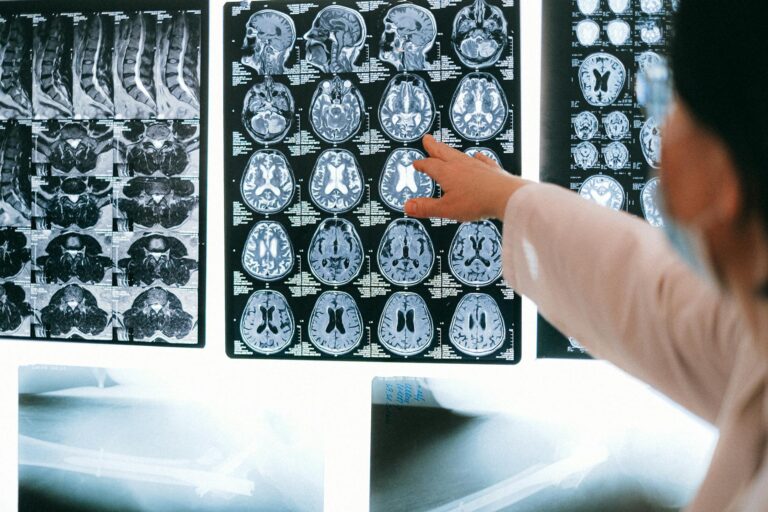
Chronic thromboembolic pulmonary hypertension (CTEPH) is a serious condition where blood clots block or narrow the arteries in the lungs over a long period, causing high blood pressure in these vessels. This leads to strain on the right side of the heart and can severely affect breathing and physical activity. Recognizing the signs of CTEPH early is crucial because symptoms often develop gradually and can be mistaken for other health issues.
One of the earliest signs people notice is **shortness of breath**, especially during activities that were once easy, like walking up stairs or light exercise. At first, this breathlessness might only happen with exertion but tends to worsen over time until it occurs even at rest. Alongside this, many experience **fatigue** or an unusual feeling of tiredness that doesn’t improve with rest.
As CTEPH progresses, additional symptoms become more apparent:
– **Chest pain or discomfort**: This may feel like pressure or tightness in the chest and can sometimes be confused with heart-related pain.
– **Heart palpitations**: A sensation that your heart is racing, pounding, or fluttering irregularly.
– **Swelling (edema)**: Fluid buildup often appears in the ankles and legs due to poor circulation caused by increased pressure on the heart.
– **Lightheadedness or fainting spells**: These occur because less oxygen-rich blood reaches vital organs when pulmonary pressures are high.
– A bluish tint to lips or skin (**cyanosis**) may develop as oxygen levels drop.
People might also find they cannot lie flat comfortably because it becomes harder to breathe when reclining.
On a physical exam by a doctor familiar with CTEPH, there may be signs related to right heart strain such as an abnormal heartbeat rhythm including right bundle branch block seen on EKGs. Imaging tests like echocardiograms and CT scans reveal enlargement of the right ventricle (the chamber pumping blood into lungs), thickening of its walls due to extra workload, and narrowing/blockage within lung arteries.
Because these symptoms overlap with other types of pulmonary hypertension and lung diseases, diagnosis requires careful evaluation including history taking—often patients do not recall having had a prior pulmonary embolism (blood clot traveling from legs)—and specialized imaging studies.
In summary form without concluding:
Shortness of breath worsening over months; fatigue disproportionate to activity level; chest discomfort; rapid heartbeat sensations; swelling in lower limbs; episodes of dizziness/fainting; bluish discoloration around lips/skin indicating low oxygen levels; difficulty lying flat comfortably—all point toward chronic thromboembolic pulmonary hypertension developing silently but progressively. Early recognition allows timely treatment options such as surgery or medications aimed at improving quality of life and survival chances.